10 Things to Do in Vancouver in 3 Days (Local guide)
Canada · British Columbia · Weekend Guide
Vancouver will make you question every other city you have ever lived in or visited.
It does this quietly, without any particular effort, simply by existing. You step outside your hotel on the first morning and there are mountains. Not far-away, hazy, theoretical mountains. Immediate, snow-capped, absurdly photogenic mountains that sit at the end of every street like they were placed there by a tourism board with an unlimited budget and extremely good taste. Behind you is the ocean. Around you is a city of glass towers and old neighborhoods and the best Asian food outside of Asia and people who are extremely fit and suspiciously pleasant about it.
It is, in short, one of the most beautiful cities in the world. The locals know this. They try not to rub it in. They do not entirely succeed.
Three days in Vancouver is enough to get properly acquainted. Enough to eat extraordinarily well, to stand on a suspension bridge above a canyon and feel both thrilled and mildly terrified, to kayak in the harbor with the mountains behind you, and to drink a very good coffee on a very good patio and understand, with total clarity, why everyone who visits starts looking up real estate prices.
Before anything else: Vancouver’s weather is famously unpredictable. Indeed, it is nicknamed ‘Raincouver’ for reasons that become obvious between October and April. Therefore, a waterproof packable jacket that folds into its own pocket is the single most important thing in your bag. Not a rain jacket you leave at the hotel because it’s sunny when you leave in the morning. One that lives in your daypack permanently, ready for the moment the mountain weather decides to change its mind, which it will, and which it will do without warning.
How Vancouver Works
Vancouver is a compact, walkable city with an excellent public transit system called TransLink, covering the SkyTrain (elevated metro), buses, and the SeaBus ferry to North Vancouver. A Compass Card loaded with credit handles all of it. For Stanley Park and the beaches, a bike rental is genuinely the best option. For the North Shore mountains and Capilano, a car or the free shuttle from downtown makes more sense.
The neighborhoods to know: Downtown and the West End for your base. Gastown for history and cocktails. Granville Island for food and culture. Kitsilano for beaches and brunch. The Drive (Commercial Drive) for coffee and the feeling that you’ve accidentally stumbled into the most liveable neighborhood in Canada.
Day 1: The Park, the Seawall, and a Lot of Trees
1. Spend the Morning in Stanley Park
Where: Stanley Park, Vancouver Cost: Free to enter, bike rentals from $10 per hour Time needed: 3 to 4 hours
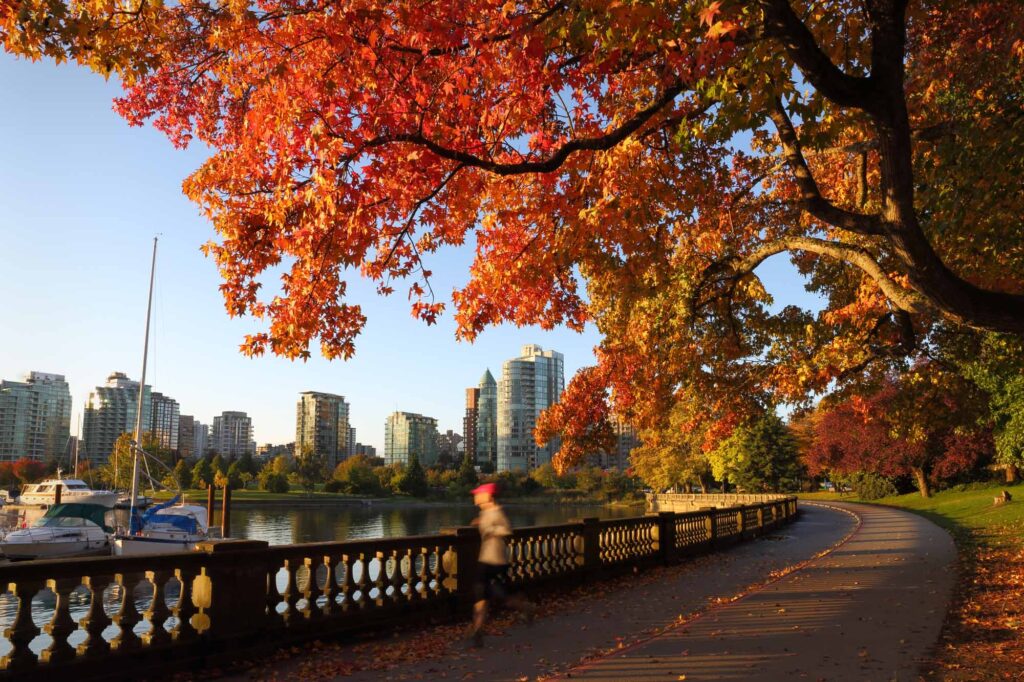
Stanley Park is 1,000 acres of old-growth temperate rainforest sitting on a peninsula surrounded by water on three sides, minutes from downtown Vancouver. It is, without any exaggeration, one of the great urban parks in the world and the thing that separates Vancouver from every other North American city that thinks it has a good park.
The Seawall path that circles the park is 9 kilometres of paved waterfront trail. Rent a bike and ride the full loop. The route passes Siwash Rock, the totem poles at Brockton Point, the view across Burrard Inlet to North Vancouver, the Lions Gate Bridge from below, and several beaches along the western edge. On a clear day, the entire route has the mountains visible in every direction and you will stop to take photos so many times that the loop takes considerably longer than expected. This is fine. This is correct.
Inside the park, the old-growth Douglas firs along the forest trails are several hundred years old and reach heights that make you feel appropriately tiny. The beaver pond near the park entrance has actual beavers in it. This is Canada and this is just how things work here.
Furthermore, the Stanley Park teahouse at Ferguson Point does a very good breakfast and brunch with views over English Bay that are the kind of views restaurants in other cities would charge twice the price for.
Honest note: Do not drive into Stanley Park on a summer weekend unless you enjoy sitting in traffic inside a forest, which is considerably less enjoyable than it sounds.
2. Walk Gastown and Eat Something Exceptional
Where: Gastown neighborhood, Downtown Vancouver Cost: Free to walk, dinner varies Time needed: 2 to 3 hours
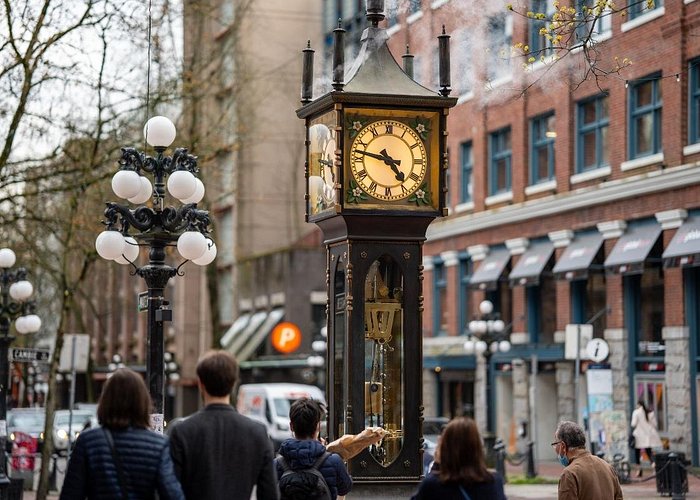
Gastown is Vancouver’s oldest neighborhood and its most atmospheric, built around cobblestone streets and Victorian buildings that have been restored without losing their character. The famous steam clock on Water Street goes off every 15 minutes and tourists gather to watch it and photograph it enthusiastically. It is a clock powered by steam. It is also somehow worth watching at least once, possibly twice.
More importantly, Gastown has become one of the best restaurant neighborhoods in the city. Chambar is the standout: a Belgian-influenced restaurant in a beautiful room that has been excellent for twenty years and shows no signs of stopping. The moules frites are the classic order but the North African-spiced dishes are the reason to go back. Additionally, Bao Bei around the corner on Keefer Street is a Chinese brasserie that does inventive, delicious things with traditional recipes and has a cocktail list that takes the concept of a lychee martini considerably more seriously than you’d expect.
Walk the neighborhood in the evening when the cobblestones are lit and the bars are filling up and Gastown feels exactly like the kind of place you want to be on a Friday night, which it usually is.
3. Catch Sunset at English Bay Beach
Where: English Bay, West End neighborhood Cost: Free Time needed: 1 hour
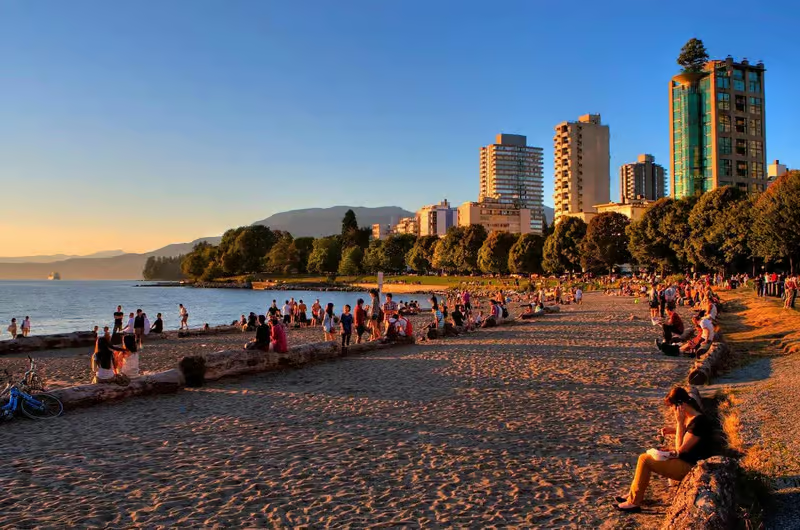
English Bay is the beach at the foot of the West End neighborhood, and the sunset here over the water toward Vancouver Island is the image that ends up on every screensaver and real estate brochure in British Columbia for good reason. The mountains to the north catch the last light and turn pink while the water reflects everything back. People bring wine and blankets and sit on the logs that line the beach and watch it happen.
Join them. Bring something cold to drink. Stay until the colors fade. It costs nothing and it is one of the most beautiful free things Vancouver offers, which is saying something given the competition.
A travel wine opener and portable cup set is exactly the right accessory for English Bay at sunset. A bottle of BC wine (more on this later), two cups, the beach logs, the mountains going pink. This is the specific situation those products exist for. Moreover, the wine opener folds flat and fits in any bag, which means you will also use it approximately eleven other times during the trip.
Day 2: Mountains, a Bridge That Will Test Your Nerve, and the Best Food Market in Canada
4. Cross the Capilano Suspension Bridge
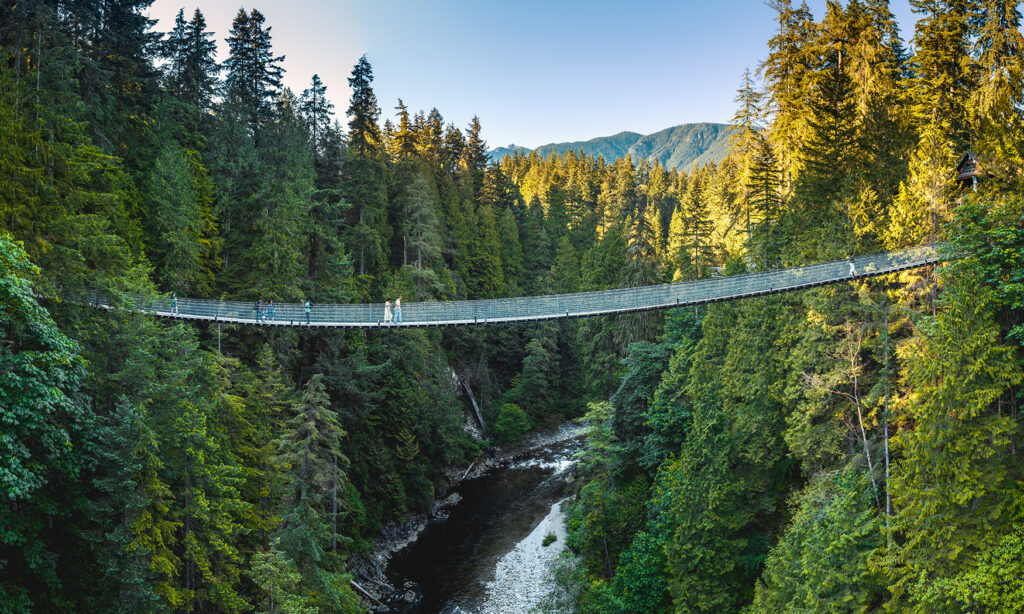
Where: 3735 Capilano Rd, North Vancouver Cost: $63 adults (yes, it is expensive; yes, it is worth it) Time needed: 2 to 3 hours
The Capilano Suspension Bridge is 137 metres long and hangs 70 metres above the Capilano River. It sways. It is supposed to sway. This information does not make the swaying feel better when you are in the middle of it, which is the whole point, and which is also why the views from the middle of it are extraordinary. Ancient Douglas firs on both sides, a canyon below, the river a thin blue line seventy metres down, your knuckles white on the cables.
The park around the bridge is equally good. The Treetops Adventure is a series of suspension bridges between platforms built into old-growth trees at the forest canopy level. The Cliffwalk hugs the canyon wall on a series of narrow cantilevered walkways with glass floor sections that reveal exactly how high up you are. Altogether it is a very complete experience of mild terror and genuine natural beauty.
Take the free shuttle from downtown Vancouver (it departs from the Canada Place area) rather than driving. Furthermore, go when they open at 9am to beat the crowds, which build quickly by mid-morning and peak at an intensity that makes the suspension bridge feel considerably less serene.
5. Hike Grouse Mountain
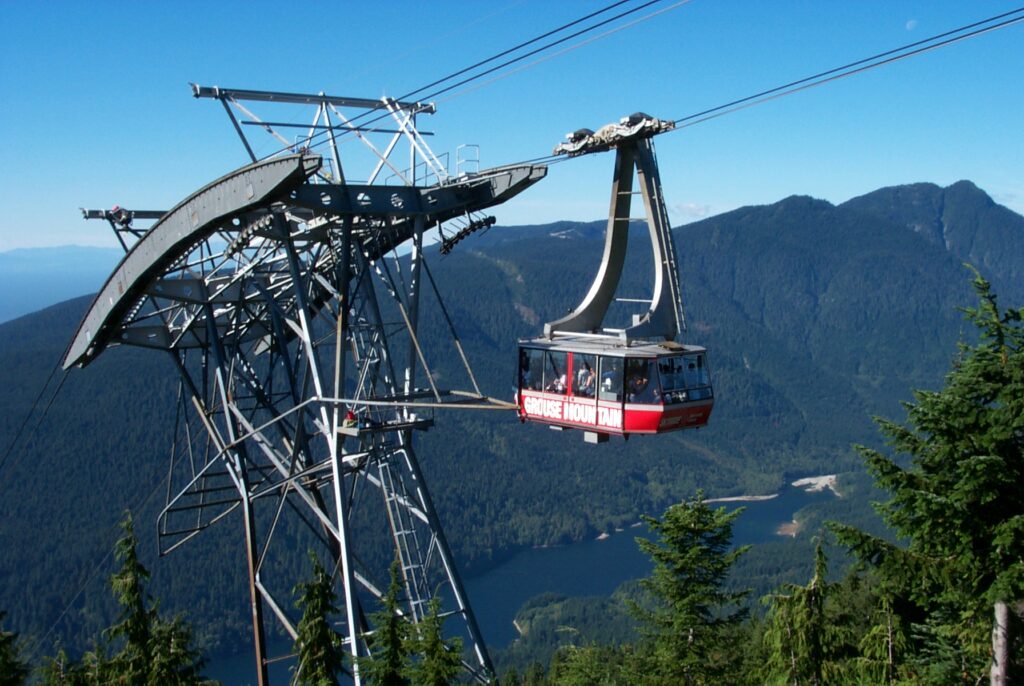
Where: 6400 Nancy Greene Way, North Vancouver Cost: Gondola $65, or free if you hike the Grouse Grind up (which is exactly as brutal as it sounds) Time needed: Half day
Grouse Mountain is the mountain directly above North Vancouver that is visible from most of downtown Vancouver and that Vancouverites have a complicated relationship with involving pride, shin splints, and a trail called the Grouse Grind.
The Grouse Grind is 2.9 kilometres straight up with 853 metres of elevation gain and no flat sections whatsoever. It is entirely steps. Locals do it for fitness and time themselves and feel good about themselves afterward. Visitors do it and arrive at the top needing to sit down for considerably longer than they planned. It takes most people 1.5 to 2 hours. It is genuinely beautiful in an extremely demanding way and the view from the top across Vancouver and the Fraser Valley to the mountains beyond is exceptional.
Alternatively, take the Skyride gondola up. There is no shame in this. The view is the same. Additionally, the summit has hiking trails, a wildlife refuge with resident bears and wolves (magnificent), and a restaurant with what might be the best lunch view in Canada.
For the Grouse Grind specifically, grip hiking socks that prevent blisters and keep your foot stable in a shoe through 2.9 kilometres of uneven wooden steps are a small investment that makes an enormous difference. Consequently, the hikers you’ll see stopping at the halfway point to address their footwear situation are the hikers who didn’t sort this out before they started.
6. Spend the Afternoon at Granville Island Public Market
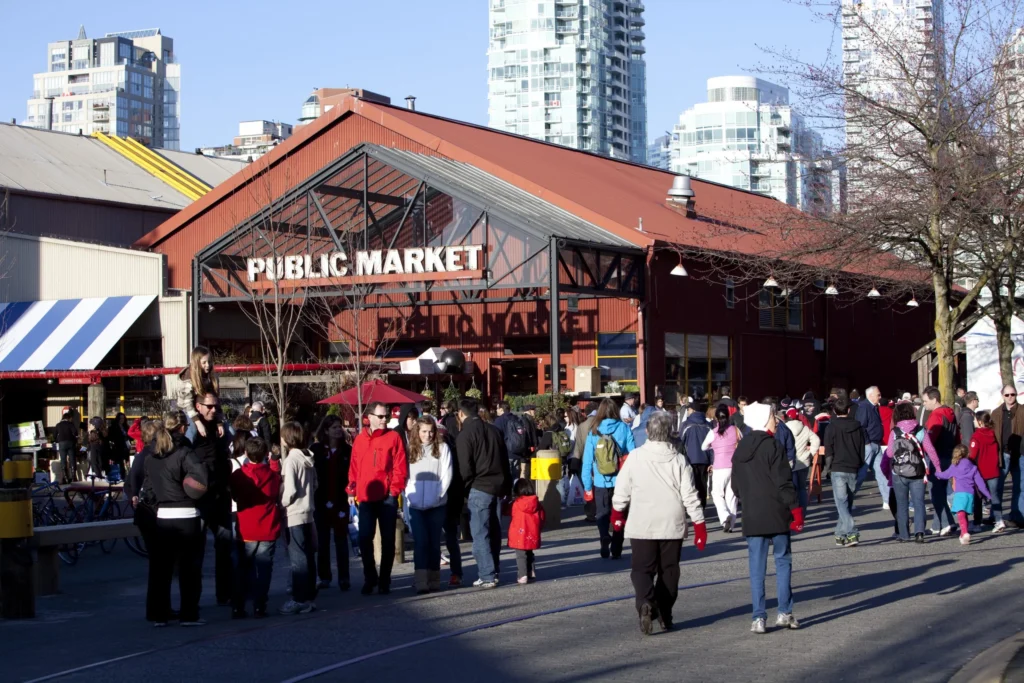
Where: Granville Island, False Creek Cost: Free to browse, very unbudget-friendly once you start buying things Time needed: 2 to 3 hours
Granville Island is a former industrial area under a bridge on False Creek that has been transformed into one of the finest food and arts markets in North America. The Public Market at its center contains a concentration of excellent local food that will destroy any plan to eat a light lunch and move on.
The market has bakeries that make bread worth crossing the city for, cheese counters with the full range of BC and Quebec artisan production, seafood stalls with wild Pacific salmon and Dungeness crab and spot prawns in season, charcuterie, pastries, hot food counters, and a central seating area where you eat your accumulation of purchases while watching the boats on False Creek.
Outside the market, the island has artist studios, theatres, brewery tasting rooms (the Granville Island Brewing taproom is right there and extremely convenient), kayak rentals, and a kid’s market that will consume significant time if you’re traveling with small humans.
Get there by the Aquabus tiny ferry from the Hornby Street dock in downtown. It costs $4 and crosses False Creek in 5 minutes and is a charming way to arrive somewhere that deserves a charming arrival.
Day 3: Neighbourhoods, Ocean, and BC Wine
7. Kayak in Indian Arm or False Creek
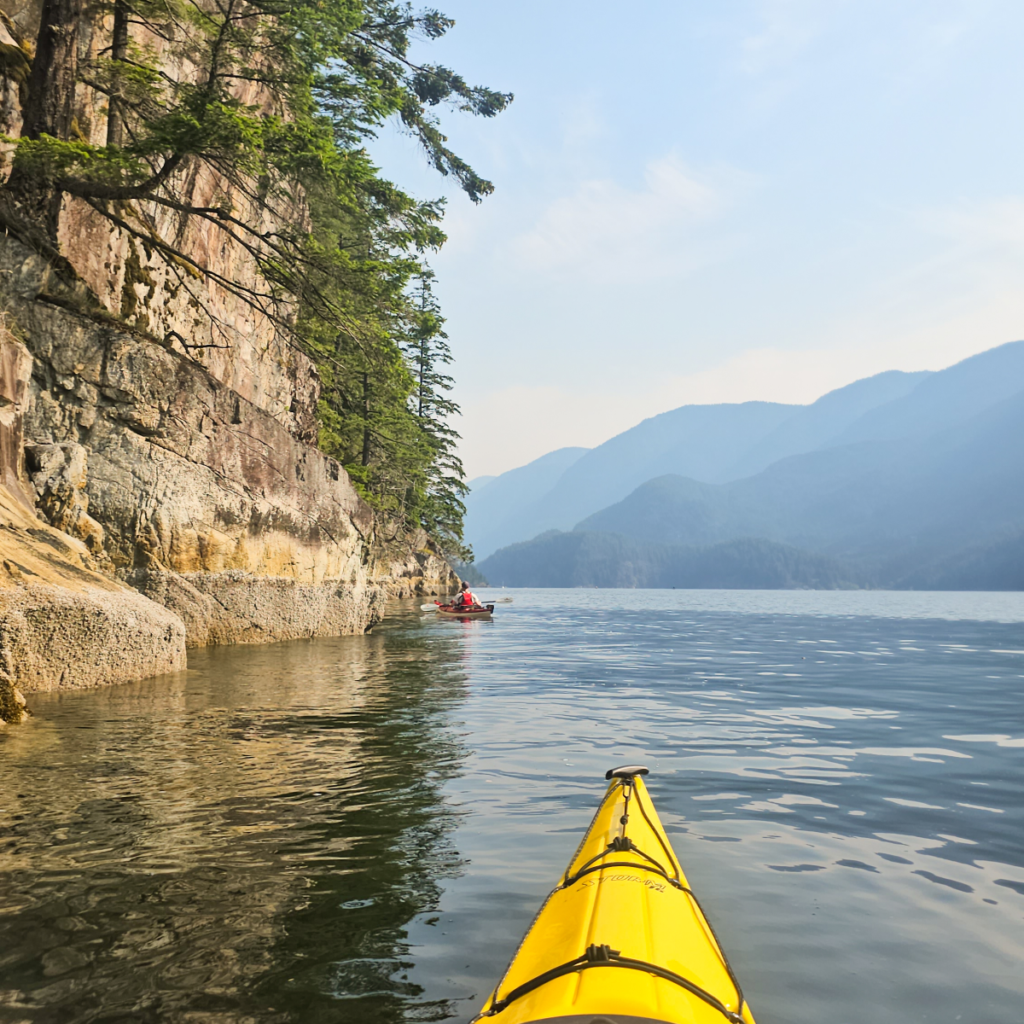
Where: False Creek or Deep Cove, North Vancouver Cost: From $40 for a 2-hour rental Time needed: 2 to 3 hours
Paddling on the water in Vancouver is a completely different experience from looking at it from the shore, and looking at it from the shore is already excellent. From a kayak on False Creek, the downtown towers reflect in the water behind you and the North Shore mountains fill the view ahead. From Deep Cove in Indian Arm, you paddle into a fjord surrounded by mountains with the kind of scenery that makes you wonder what you did to deserve this.
Deep Cove is worth the 30-minute drive from Vancouver specifically. Rent kayaks from Deep Cove Kayak, paddle into the arm for an hour, turn around, and stop at Honey Doughnuts in the village on the way back for a honey glazed doughnut that is the best doughnut in British Columbia and possibly further afield. This is not a sponsorship. This is just true.
For a morning on the water, a quick-dry microfibre towel in your daypack handles the inevitable splashing and the post-paddle damp with minimal weight and no space taken up in your bag. Furthermore, the same towel works for the beach afternoons in Kitsilano later in the trip, meaning it’s doing double duty across the whole weekend. Pack one. It folds to the size of a paperback.
8. Explore Kitsilano Beach and the neighbourhood
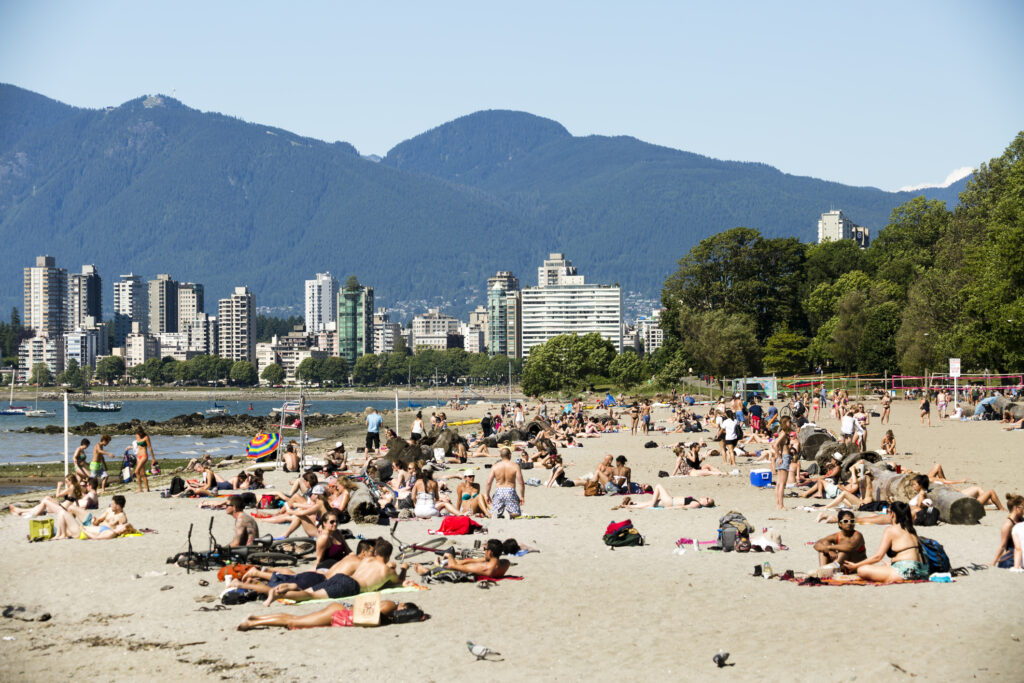
Where: Kitsilano, West Side Vancouver Cost: Free Time needed: Half day
Kitsilano is the neighborhood that Vancouverites move to when they’ve decided their quality of life needs to become unreasonably good. It sits on a peninsula between English Bay and False Creek with a beach that faces downtown and the mountains simultaneously, which is a spatial arrangement that should not be possible but is.
Kitsilano Beach has a heated outdoor saltwater pool (the largest in Canada, if you need a superlative) open May through September, sand volleyball courts, and a beach volleyball scene that confirms the thesis that Vancouver people are extremely fit and handle this fact modestly.
The neighborhood behind the beach, along West 4th Avenue and Broadway, has the best brunch in the city. Fable Kitchen uses BC-sourced ingredients with precision and warmth and the eggs Benedict with house-cured salmon is the right order. Sophie’s Cosmic Café is a diner with walls covered entirely in vintage toys and kitsch that has been doing enormous, excellent breakfasts since 1988 and has no intention of changing anything about itself, which is the correct position.
Additionally, the stretch of independent bookshops, outdoor gear stores, and wine shops along 4th Avenue is the kind of street that makes a 45-minute errand stretch to two hours without any regret.
9. Visit the Museum of Anthropology at UBC
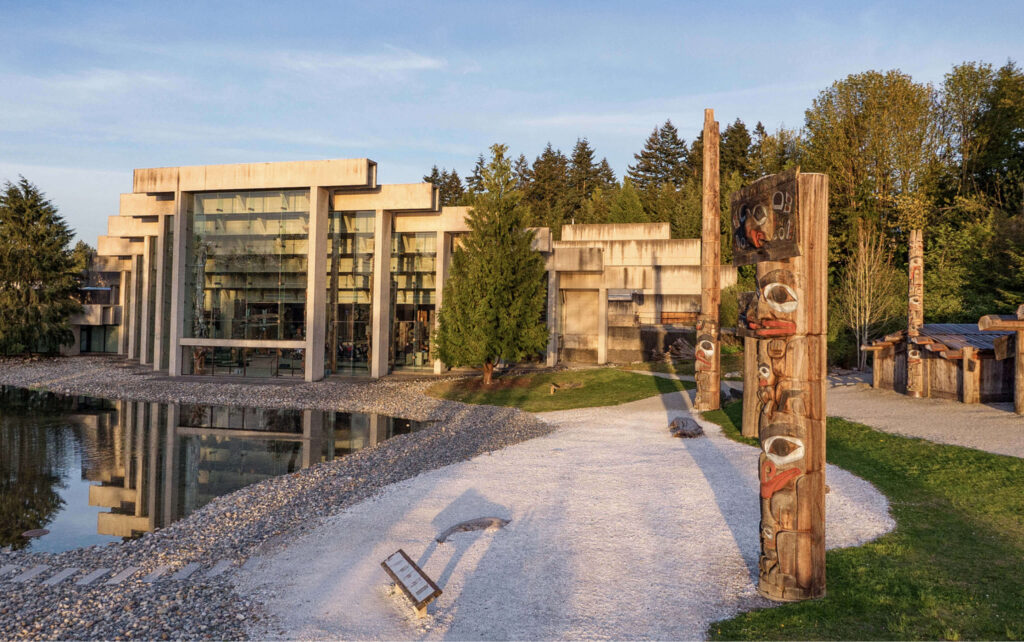
Where: 6393 NW Marine Dr, University of British Columbia Cost: $18 adults Time needed: 2 hours
The Museum of Anthropology at UBC is one of the most remarkable museums in Canada and one that most visitors who haven’t heard about it miss entirely. Arthur Erickson’s building, designed in 1976 to echo the post-and-beam architecture of the Northwest Coast First Nations, is itself extraordinary. The Great Hall inside, with its floor-to-ceiling glass walls looking out over the Strait of Georgia and the mountains beyond, contains totem poles, ceremonial objects, and house posts of a scale and quality that stop you completely.
The collection spans the Indigenous cultures of the Pacific Northwest with particular depth in Haida, Musqueam, and Kwakwaka’wakw material culture. Crucially, the museum works actively with the communities whose objects it holds, and the perspective on the collection that comes through in the interpretation is thoughtful and contemporary rather than colonial and static.
The surrounding UBC campus, furthermore, is beautiful and worth a walk. The views from the cliffs at the western edge of campus over the Strait of Georgia are some of the best in the Vancouver area.
10. Drink BC Wine and Eat Everything at a West Side Restaurant
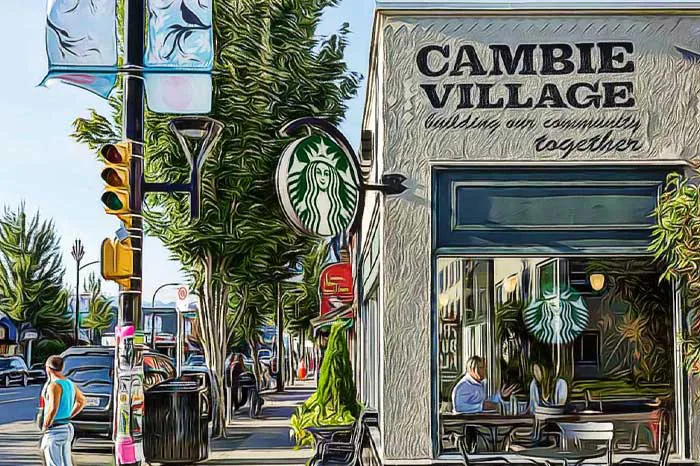
Where: South Granville or Cambie Village, Vancouver Cost: $40 to $80 per person Time needed: Long, leisurely dinner
British Columbia produces some of the best wine in North America and most people outside Canada have no idea. The Okanagan Valley, 4 hours east of Vancouver, is a legitimate wine region producing excellent Pinot Noir, Riesling, Syrah, and a range of whites from indigenous and international grapes that compete with considerably more famous regions. Vancouver restaurants are the best place to discover this.
AnnaLena on Maple Street is the restaurant that consistently comes up when Vancouverites are asked where they’d take someone to impress them. The cooking is technically excellent and genuinely fun, the BC wine list is deep and well-chosen, and the room has a warmth that serious restaurants sometimes sacrifice for atmosphere. The roasted bone marrow with smoked trout roe is the opener that sets the tone for everything that follows.
Savio Volpe in Fraserhood is an Italian neighborhood restaurant that has been excellent since it opened and is the kind of place where you go for one glass of wine and leave three hours later having had the best pasta of your trip and made friends with the people at the next table. The tagliatelle with duck ragù is the reason to come. The grappa at the end is the reason you’re still there an hour later.
For a wine-forward evening like this, a wine journal and tasting notebook is the specific kind of nerdy item that pays for itself in the Okanagan discovery alone. Writing down the producers and vintages you discover in Vancouver is the thing that lets you find them again afterward, either online or on a future trip to the wine country itself. Moreover, it fits in a jacket pocket and makes you look like you know exactly what you’re doing, which is at least half of wine culture anyway.
Where to Eat Beyond the List
Budget:
- Japadog is a Vancouver institution: Japanese-style hot dogs sold from street carts and a small restaurant on Burrard Street. The Terimayo (teriyaki sauce, Japanese mayo, seaweed) is the order. Under $8. Eat it immediately.
- Phnom Penh in Chinatown has been serving Cambodian-Vietnamese food since 1985 and the butter beef and garlic squid are two of the best cheap dishes in the city. Under $20 for a full meal. Cash preferred.
Mid-range:
- Miku on the waterfront does aburi sushi, which is lightly flame-seared over the rice, and is one of the most distinctly Vancouver dining experiences available. The salmon oshi (pressed sushi) is extraordinary. Reserve ahead.
- Ask for Luigi in Railtown does simple, excellent Italian in a small room with a no-reservations policy that creates a queue worth joining.
Splurge:
- Hawksworth in the Rosewood Hotel Georgia is the special occasion restaurant in Vancouver. The cooking is technically superb, the wine list is exceptional, and the room in a restored 1920s hotel is genuinely beautiful. Book well ahead.
Practical Notes
Getting around: The SkyTrain covers downtown to the suburbs efficiently. Load a Compass Card at any station. For Stanley Park, the West End, and Kitsilano, biking is the best option. For North Shore (Capilano, Grouse, Deep Cove), a car or rideshare makes more sense.
Currency: Canadian dollars. Vancouver is expensive by Canadian standards. Budget CAD $150 to $200 per day for food, transport, and activities at a comfortable mid-range level.
Weather: May through September is reliably pleasant and can be genuinely spectacular. October through April is mild but wet. Pack the waterproof jacket regardless of when you visit. Pack an extra one to be safe.
Language: English primarily, with a large Cantonese and Mandarin-speaking community that means the Asian food scene is completely serious and should be treated as such.
When to go: July and August are the peak summer months: warm, dry, every patio in the city full, outdoor concerts, beaches operational. September is arguably the best month: summer warmth, smaller crowds, golden light across the mountains. February and March bring skiing at Whistler 2 hours north, which deserves its own article entirely.
Finally, Vancouver’s combination of mountain air, ocean breeze, and unpredictable weather means your skin will go through a lot across three days. A travel-size hydrating face moisturiser with SPF applied every morning covers both the UV exposure and the wind-driven dryness simultaneously. One product, two problems solved, small enough to fit in any pocket. The mountains are photogenic but your face is in all those photos too. Look after it.
The Honest Summary
Vancouver is the city that makes you do the sums.
You will, at some point during these three days, find yourself on a patio or a beach or a viewpoint or a kayak thinking: what would it actually cost to live here? What would I need to give up? Could I work remotely? How cold does it actually get? Is “Raincouver” as bad as they say?
The answer to the last question is: in winter, yes, somewhat. The answers to the others depend entirely on your life circumstances and are frankly above the pay grade of a travel blog.
What I can tell you is that three days in Vancouver is a genuinely excellent use of 72 hours. The hiking is world-class. The food, particularly the sushi and the dim sum, is some of the best in North America. The scenery is unreasonable. The people are, somewhat infuriatingly, as nice as advertised.
Go in the summer if you can. Rent a bike on the first morning. Ride the Seawall with the mountains ahead of you.
Then do the sums.
Article by Just a Lion · August 2026