New York City in Seven Days: The Honest Guide
USA · 7 days · Food, Culture & Neighbourhoods
New York doesn’t ease you in.
You land at JFK or Newark, take a train or a cab through a landscape that looks like every film you’ve ever seen, and then suddenly you’re in it — the noise, the scale, the smell of a city that is always, at every hour, fully operating. There’s no gentle first morning. You either match the pace or spend three days jet-lagged and overwhelmed before you find your footing.
I’ve been to New York four times. Each trip I’ve understood it a little better and felt like I still know only a fraction of it. That’s the thing about New York — it doesn’t reveal itself on one visit. But it gives you enough to come back for.
Here’s what I’d tell you to do with a week.
How I Structured Seven Days
- Day 1: Lower Manhattan — Brooklyn Bridge, DUMBO, a slice of pizza
- Day 2: Midtown done right — MoMA, Rockefeller, the High Line
- Day 3: Brooklyn — Williamsburg, Greenpoint, Prospect Park
- Day 4: Upper West Side, Central Park, the Met
- Day 5: Downtown — West Village, SoHo, Chinatown
- Day 6: Queens — Flushing for food, Astoria for the afternoon
- Day 7: Slow morning in the East Village, afternoon flight
Getting There & Into the City
New York has three airports: JFK (international hub, Queens), Newark (New Jersey, also major international), and LaGuardia (domestic and some short-haul, the worst of the three). If you have a choice, JFK or Newark.
The transatlantic flight is long — 7 to 9 hours depending on where you’re coming from — and how you arrive matters more than people admit. I travel with a silk sleep mask and it’s made the single biggest difference to how I step off a plane. The silk version is worth the small extra cost: gentle on skin, blocks light completely, and the adjustable strap means it stays put without digging in. I cannot sleep on a long-haul flight without one and I’ve stopped trying.
New York also uses the flat two-pin American outlets — if you’re coming from the UK or Europe, you need a universal travel adapter from the moment you land. One adapter covering US, UK, EU, and Australian plugs with USB ports built in. Buy a good one once and retire the pile of country-specific ones you’ve been accumulating.
From JFK: the AirTrain to Jamaica Station, then the Long Island Rail Road or Subway into Manhattan. Takes about an hour, costs under $15, completely manageable. Avoid airport taxis for the journey in — legitimate, but expensive (flat rate ~$70 to Manhattan).
From Newark: the NJ Transit train from Newark Airport station to New York Penn Station. 30 minutes, around $16, the best airport-to-city connection in New York.
Buy a MetroCard at the airport (or use contactless payment — New York’s subway now accepts tap-to-pay on most lines) and load it with enough for several days.
Where I Stayed
The Wythe Hotel (Williamsburg, Brooklyn) — A converted 1901 cooperage building right on the East River with skyline views that make you feel the city in a single glance. The rooms are beautiful, the restaurant is excellent, and staying in Brooklyn rather than Manhattan gives the trip a different texture — you arrive into the city each day rather than being inside it at all times, which I found valuable for perspective. The rooftop bar at sunset is one of the great New York experiences.
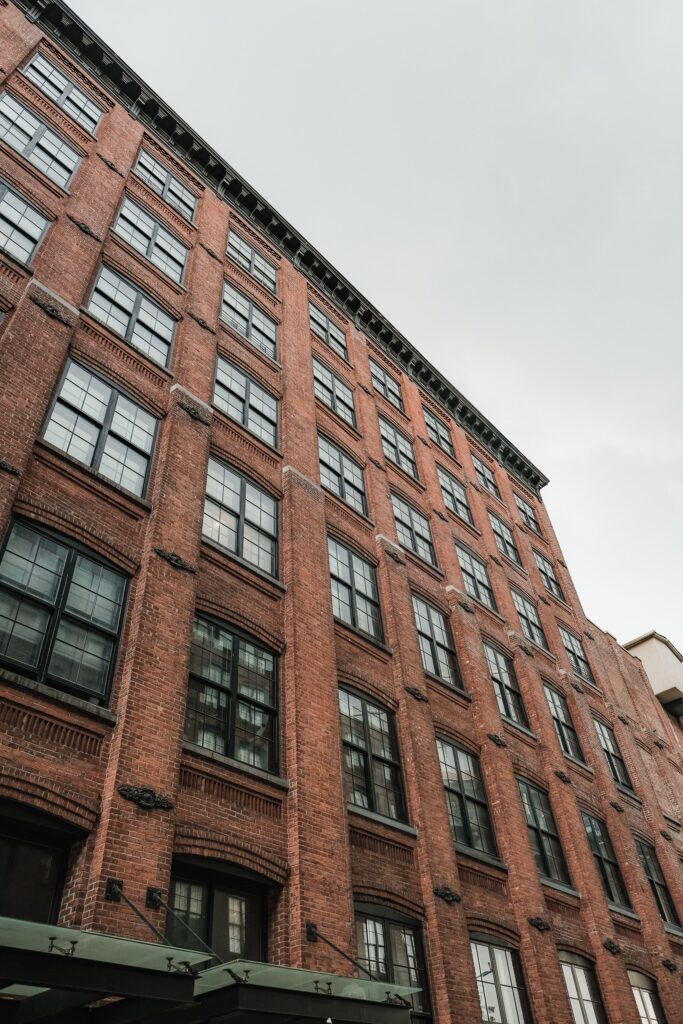
The Standard, East Village — For three nights. Closer to the action of downtown Manhattan, in one of the neighborhoods I find most interesting. The rooms are compact but well-designed, the diner downstairs does an excellent breakfast, and being in the East Village means good coffee, excellent food, and a street-level energy that midtown hotels entirely lack.
One small thing I do in every hotel room, regardless of how nice it is: I use disposable face towels instead of the provided ones. Hotel towels go through industrial laundering and shared linen — not what you want pressed against your face twice a day. Single-use, individually wrapped, soft, no residue. My skin is consistently better on trips since I started doing this.
What I’d skip: Times Square hotels. You know why. The area is exactly as loud and relentless as its reputation and there is genuinely no reason to stay there when you could be in the West Village, Brooklyn, or the East Village for a similar or lower price.
Where I Ate
New York feeds you differently depending on where you look. The mistake is eating only at the famous restaurants — some of which are very good and some of which are coasting purely on press. The city’s real food identity lives in the diners and the dollar-slice joints and the ramen counters and the Queens food courts.
Peter Luger Steak House (Williamsburg) — The most famous steakhouse in New York and, on balance, worth it once. Cash only (they’ve accepted this since 1887 and don’t intend to change). The porterhouse for two is the only thing to order. It arrives sizzling in its own butter and is cooked better than anywhere else I’ve had steak. The service is legendarily brusque — the waiter who told me “you won’t need the menu” when I opened it was correct.
Russ & Daughters (Lower East Side) — A Jewish appetizing shop operating since 1914. The bagel with lox and cream cheese here is one of the things I look forward to most about New York. Eat it at the café next door with a black coffee and read the Saturday paper like a local. Perfect.
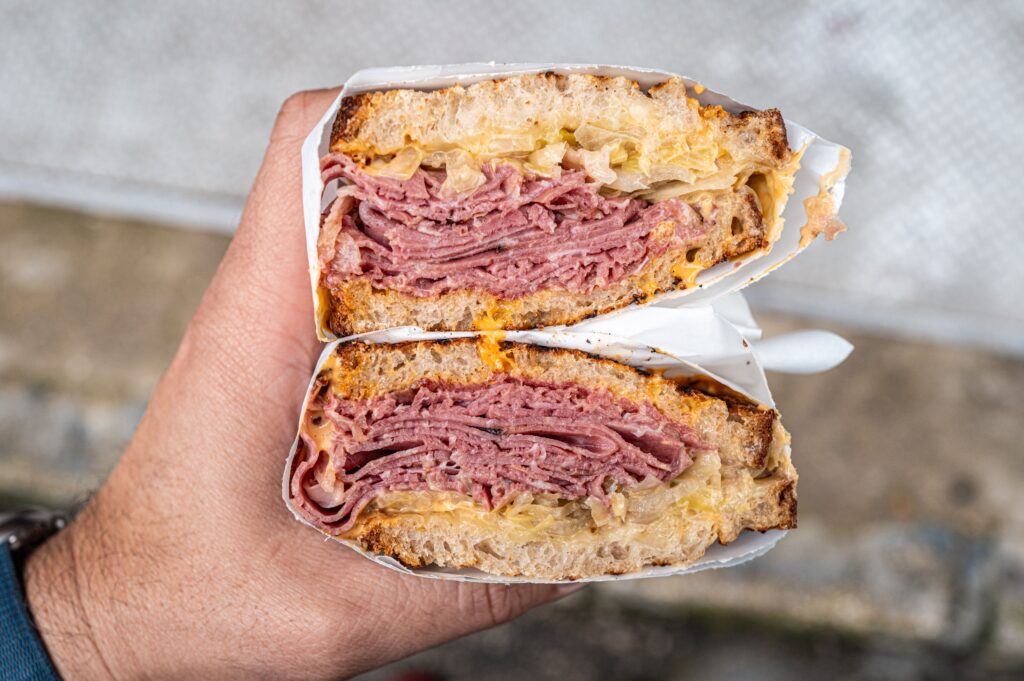
Di Fara Pizza (Midwood, Brooklyn) — Worth the subway ride to a neighborhood most visitors never see. The late Dom DeMarco made every pizza himself for decades; his family continues the tradition. The regular slice with fresh basil and a drizzle of olive oil is simple and extraordinary. Queue is part of the experience.
Xi’an Famous Foods (multiple locations) — A small chain serving the food of Xi’an province in China — hand-pulled noodles, cumin lamb skewers, spicy cold noodles in chili oil. Cheap, extraordinary, and one of the best arguments for spending a day in Flushing, Queens where the original is located.
Flushing, Queens: The best Chinese food outside of China, and some of the best food in New York full stop. The New World Mall food court alone contains more good things to eat than most cities. Go hungry, point at things, trust the process.
Café Mogador (East Village) — My breakfast place, two mornings running. Moroccan-inflected menu, excellent eggs, good coffee, full of the kind of people who’ve lived in the East Village for twenty years and intend to continue. The shakshuka is the right call.
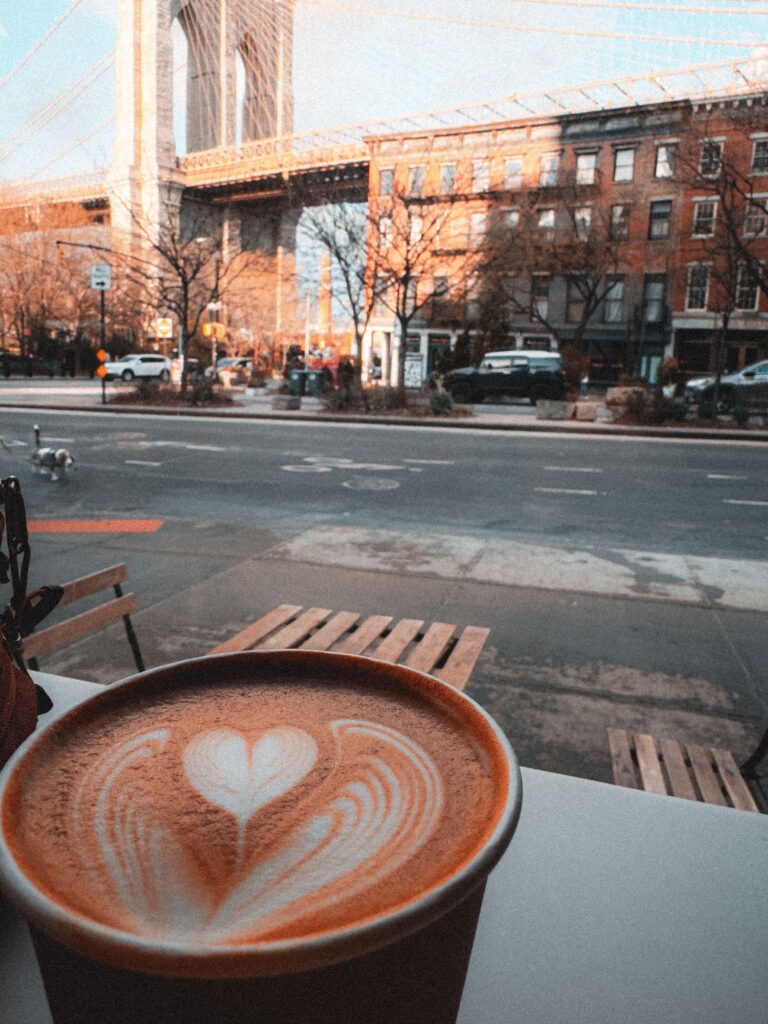
Momofuku Noodle Bar (East Village) — David Chang’s original. The pork buns and the ramen both hold up after all these years and all the hype. Go at lunch when it’s slightly less crowded.
A bodega, daily: New York’s bodegas are a civic institution. A bacon egg and cheese on a roll, assembled at speed, handed over in foil, eaten on the street — this is breakfast in New York, and no hotel restaurant has bettered it in my experience. Find one that’s busy with locals and order what they’re ordering.
One thing I always have in my bag for long food days: a travel-size disposable toothbrush — pre-pasted, no water needed. After a long afternoon of eating through Flushing or a late dinner before hitting a bar, it’s a small thing that keeps you feeling human. I keep three or four loose in my day bag for the whole trip.
What I’d skip: The celebrity chef restaurants in midtown that charge $45 for a pasta. Grimaldi’s under the Brooklyn Bridge (always a queue, rarely worth it when Di Fara exists). Any restaurant with a line of tourists outside it in Times Square. The Cheesecake Factory.
What to Do
New York will drain your phone battery before lunch. A full day of Maps navigation, photography, and messaging is brutal on any device — I carry a compact powerbank in my jacket pocket every single day and have never once regretted it. One that genuinely fits in a pocket and charges a phone at least twice over. Non-negotiable in a city this big.
The Met: Give it a full day and still feel like you haven’t finished. The Egyptian wing with the actual Temple of Dendur. The European paintings. The American Wing. The rooftop in season (May–October) with a drink and the Central Park skyline below. One of the great museums of the world and a suggested donation entry system that means you can pay what you can genuinely afford.
MoMA: The permanent collection — Picasso’s Les Demoiselles d’Avignon, Van Gogh’s Starry Night, Warhol, Pollock, Rothko — is justification enough. The building itself, redesigned by Yoshio Taniguchi, is exceptional. Book ahead; it gets crowded.
The High Line: A former elevated freight railway converted into a linear park above the streets of the Meatpacking District and Chelsea. It sounds gimmicky; it’s genuinely one of the best public space projects I’ve seen in any city. Walk the full length (about 2.5km), look at the commissioned art installations, look down at the street life below.
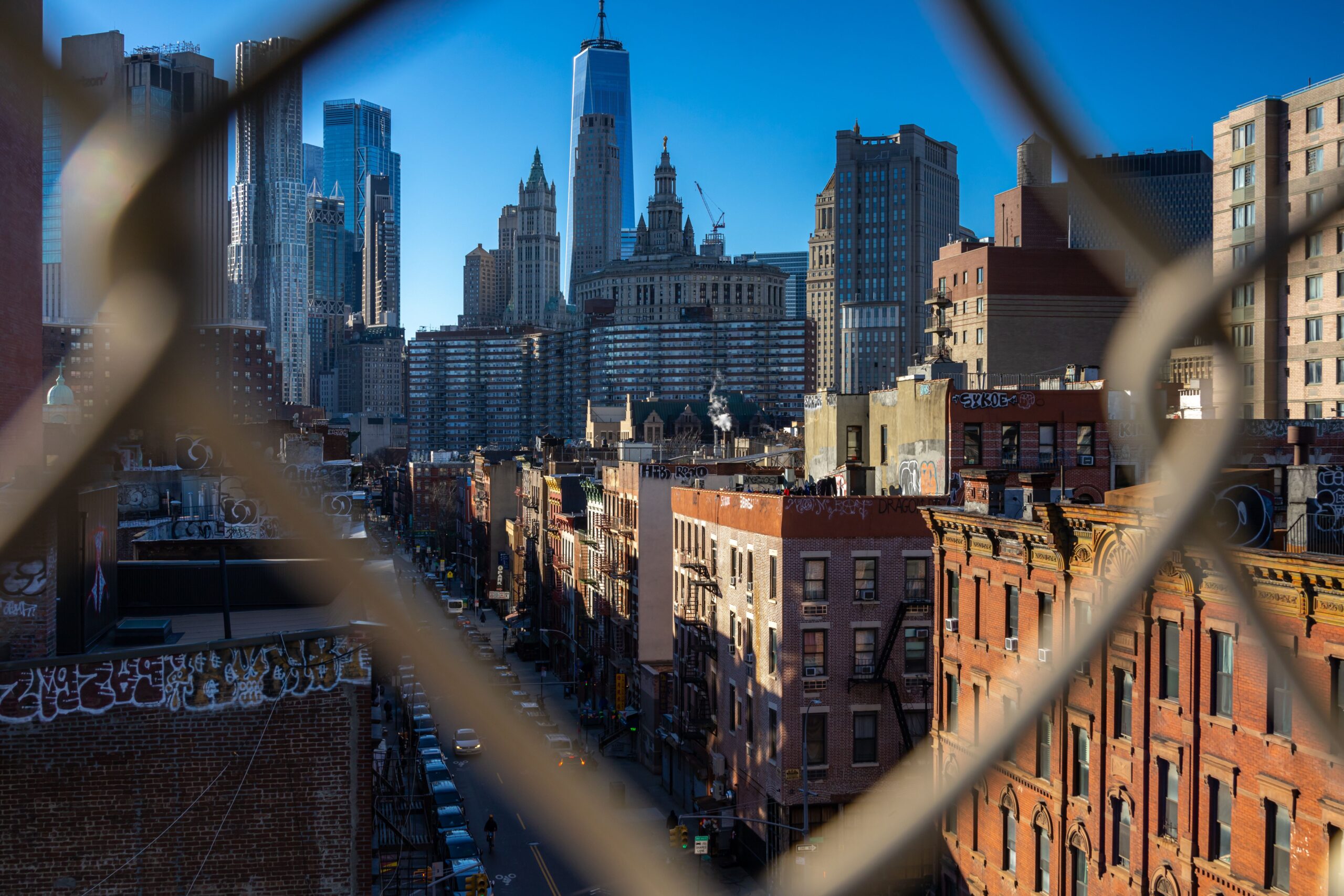
Brooklyn Bridge on foot: Walk from Manhattan to Brooklyn, not the other way — the views open up ahead of you as you cross. Do it in the morning before the pedestrian traffic builds. The bridge is beautiful and the perspective it gives you of lower Manhattan across the water is the best introduction to the skyline.
The Vessel and Hudson Yards: Divisive. The Vessel — the climbable sculpture of interconnected stairs — is visually striking and worth ten minutes of your time. Hudson Yards itself is a private real estate development masquerading as a neighborhood and feels like a very expensive film set. Interesting to see; I wouldn’t build a day around it.
Williamsburg and Greenpoint on a Sunday: The weekend street market on Broadway in Williamsburg, brunch somewhere (Egg restaurant on North 5th is worth the queue), bookshop browsing at Spoonbill & Sugartown, a walk along the East River waterfront. This is New York at its most liveable.
Central Park: Obvious, necessary, genuinely wonderful. Row a boat on the lake. Find the Conservatory Garden in the northeast corner (the quietest and most beautiful part of the park). Eat a pretzel from a cart. Watch people run. Lie on the grass.
A Yankees or Mets game (if the season lines up): Yankee Stadium and Citi Field are both worth experiencing for the sheer theatre of American sports culture regardless of your feelings about baseball. Hot dog, cold beer, someone explaining what’s happening — an afternoon well spent.
What I’d skip: The Statue of Liberty looks better from the Staten Island Ferry (free, excellent views, no ticket required). The Empire State Building observation deck has been superseded by the Edge at Hudson Yards and the Summit at One Vanderbilt for views — do one of those instead. The 9/11 Museum is important and well-done but emotionally exhausting; go only if you’re prepared for that.
Practical Notes
Getting around: The Subway is your primary tool. It’s cheaper than Uber, faster in traffic, and runs 24 hours. The grid system makes navigation straightforward once you understand uptown (north) and downtown (south) and the difference between the lettered and numbered lines. Google Maps handles all of this reliably.
Tipping: 20% at restaurants, full service. Tip your hotel housekeeping ($3–5/day). Tip your cab or rideshare driver. This is not optional in the US — service industry wages are structured around it.
Safety: New York is significantly safer than its media reputation suggests. The same urban awareness applies here as anywhere — be conscious of your surroundings, don’t walk around with expensive equipment visibly out at night, use your judgment in unfamiliar areas late.
Budget: New York is expensive. A casual dinner with drinks: $60–100/person. A good cocktail: $18–22. The Subway: $2.90/ride. Museum entry: $0–$30. Budget $200–300/day to eat, drink, and do things properly — less if you lean into markets, bodegas, and free museum hours.
When to go: September and October are the sweet spot — warm, clear, the city at its most energetic after summer. April and May are also excellent. July and August are hot and humid and the city empties of locals. February is brutal and beautiful in a very specific way if you like your cities empty and cold.
The feet and shoe situation: Seven days in New York means 15,000–20,000 steps daily without trying. By day three your shoes will know about it. I spray the inside of my shoes with a shoe deodorizer each evening — small bottle, takes five seconds, lasts months. The problem never develops if you stay ahead of it.
The morning routine on the road: Travel throws off everything — sleep, diet, schedule. Two things I don’t skip regardless: a tongue scraper (removes bacteria that causes bad breath far more effectively than brushing alone, takes ten seconds, costs almost nothing) and filling my weekly pill organizer before I leave home with supplements, any medications, and antihistamines for unknown situations. Five minutes of preparation that keeps the whole trip running smoothly.
The small things that earn their weight: A pair of travel tweezers — the slant-tip kind that actually grip on the first attempt, not the ones that slide off. A pack of travel-size cotton swabs — sounds unnecessary until you need one urgently at 11pm. A travel-size deodorant that fits inside any liquids bag — not exciting advice, genuinely important advice for anyone stepping off a transatlantic flight and going straight into a New York summer.
The Honest Summary
New York is the only city I’ve visited where I’ve felt, every single time, that I’m in the right place. Not because it’s comfortable — it isn’t, particularly — but because it’s so unambiguously alive. Every neighborhood is its own argument for a different way to exist in a city. Every hour has its own character. It rewards walking, detours, and saying yes to the thing that wasn’t on the plan.
Go hungry. Walk more than you think you can. Take the Subway at midnight at least once. Eat a bagel on the street in the rain if that’s what happens.
It’s always worth it.
Article by Just a Lion · September 2024
Some links in this article are affiliate links — if you buy through them I earn a small commission at no extra cost to you. I only recommend things I genuinely use.