10 Things to Do in Phoenix in 3 Days (The Honest Desert Guide)
USA · Arizona · Weekend Guide
Phoenix doesn’t get the credit it deserves.
Most people fly through it on the way to the Grand Canyon, Sedona, or Scottsdale. They spend one night, eat a mediocre meal near the airport, and leave with no particular impression of the place. That’s a mistake. Phoenix — the fifth largest city in America, sitting in the middle of the Sonoran Desert at the foot of a series of genuinely spectacular mountain ranges — has more to offer than most visitors ever discover.
It also operates on its own terms. This is a desert city. It is flat, sprawling, car-dependent, and blazingly hot for five months of the year. It doesn’t look like a European city or a coastal American one. Instead, it has a spare, open quality that takes a day to adjust to and then starts feeling exactly right. The sunsets are extraordinary. The hiking is world-class. The food scene has quietly become one of the best in the Southwest. And the pace, particularly in comparison to LA or New York, is genuinely restorative.
Three days is enough to get it. Here’s how to spend them.
One immediate practical note: Phoenix in summer (May through September) regularly exceeds 110°F (43°C). Therefore, a high-SPF mineral sunscreen applied every morning — and reapplied after any outdoor activity — is the first item on your packing list. The desert sun is intense, the air is dry, and the heat reflects off every surface. Don’t negotiate with it.
Before You Arrive: How Phoenix Works
Phoenix is not a walkable city. It is a car city, designed entirely around the automobile, and accepting that early makes the trip significantly easier. Rent a car at the airport — rates are very reasonable — and use it for everything. The light rail covers a useful central corridor, but for the range of experiences on this list, a car is essential.
The city is also enormous. Scottsdale (east), Tempe (southeast), Mesa (further east), and Chandler (south) are technically separate cities but function as neighborhoods within the broader Phoenix metro. Several of the best things to do are in Scottsdale specifically — it’s about 20 minutes from central Phoenix and worth the drive repeatedly.
Day 1: Desert, Mountains, and the Best Sunset in Arizona
1. Hike Camelback Mountain at Sunrise
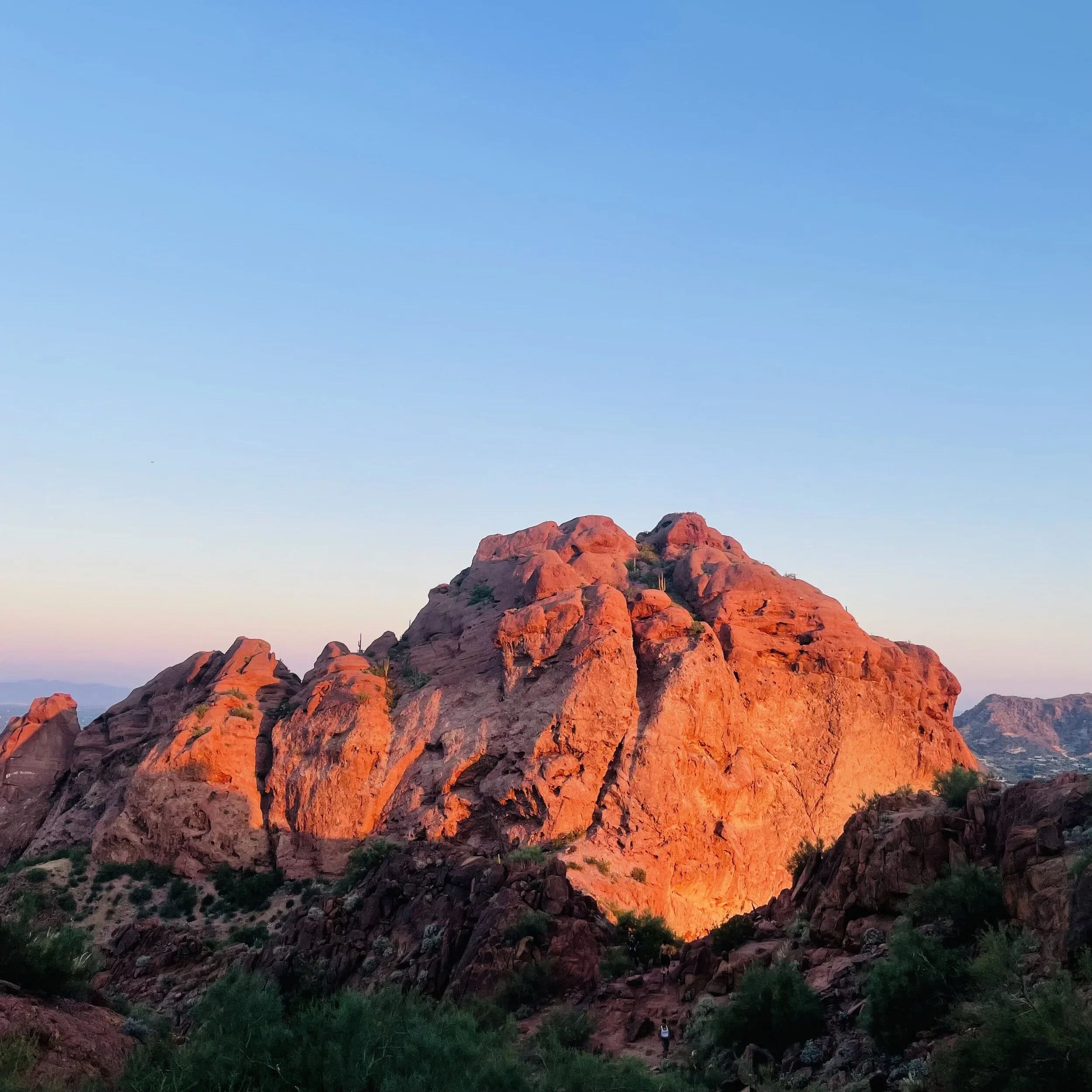
Where: 4925 E McDonald Dr, Phoenix Cost: Free Time needed: 2–3 hours
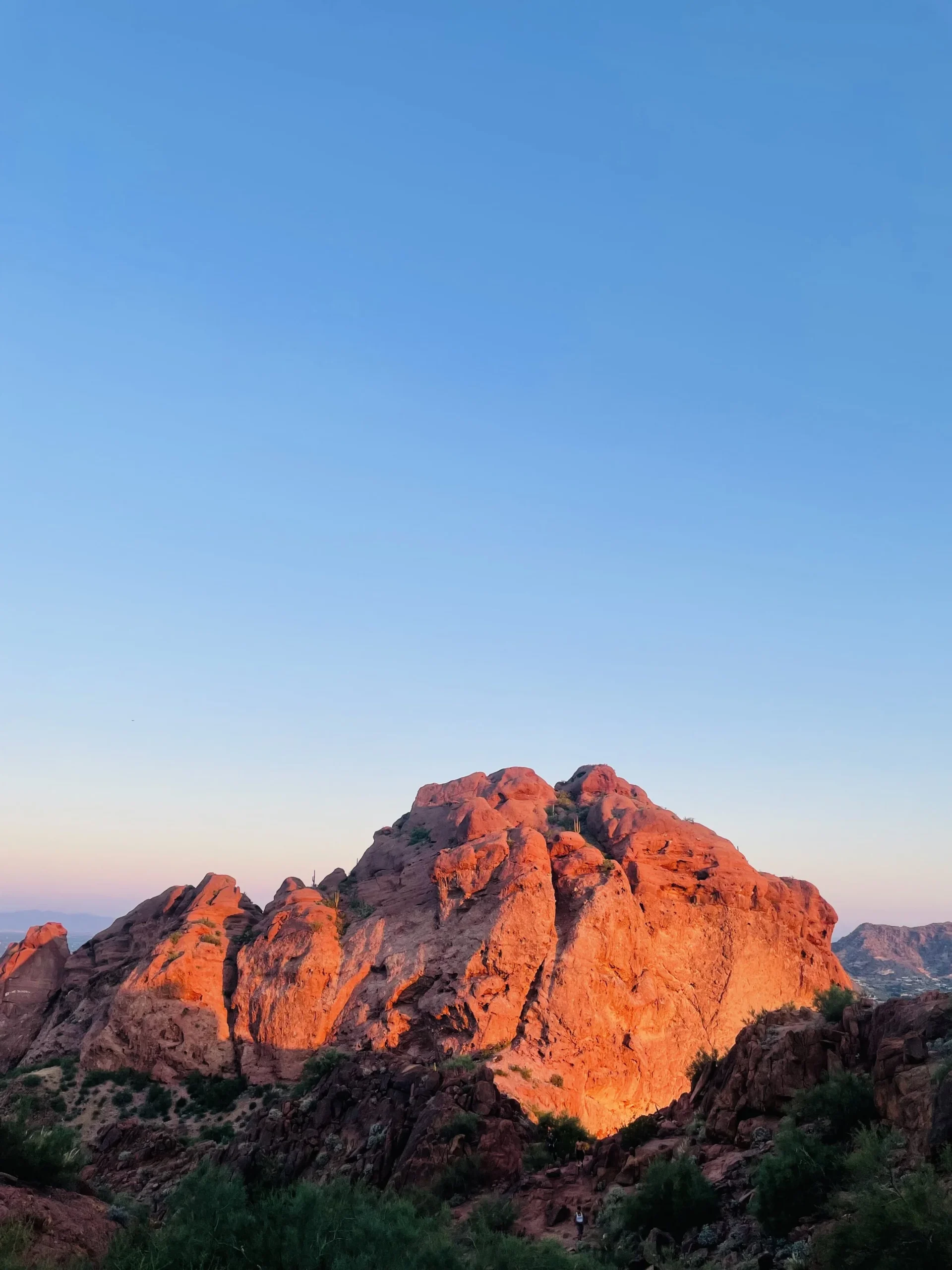
Camelback Mountain is the defining Phoenix hike and one of the best urban hikes in America. The Echo Canyon Trail — the main route to the summit — covers 1.2 miles and climbs 1,280 feet. Those numbers sound manageable. They are not particularly manageable. The trail is steep, technical in places, and requires using your hands on the upper sections. Nevertheless, the summit view — the entire Phoenix metro spread across the desert floor in every direction — is worth every difficult step.
Go at sunrise. Specifically, arrive at the trailhead parking lot by 5:30am. The lot fills completely within an hour of opening and late arrivals face a long walk just to reach the trailhead. More importantly, hiking in the desert before the sun gains full strength is a completely different physical experience from hiking at 10am. At sunrise, Camelback is cool, golden, and magical. At 10am, it’s a furnace.
Bring more water than you think you need. A hydration vest with a built-in bladder is the right choice for Camelback specifically — it keeps both hands free for the scrambling sections and distributes the water weight evenly across your back. Two litres minimum, even for a short hike. The desert dehydrates you faster than any other environment.
Honest note: The Cholla Trail on the north side of the mountain is slightly longer and less crowded than Echo Canyon. It’s also less technical. If you’re not confident with scrambling or are hiking with someone less experienced, Cholla is the better choice.
2. Explore the Desert Botanical Garden
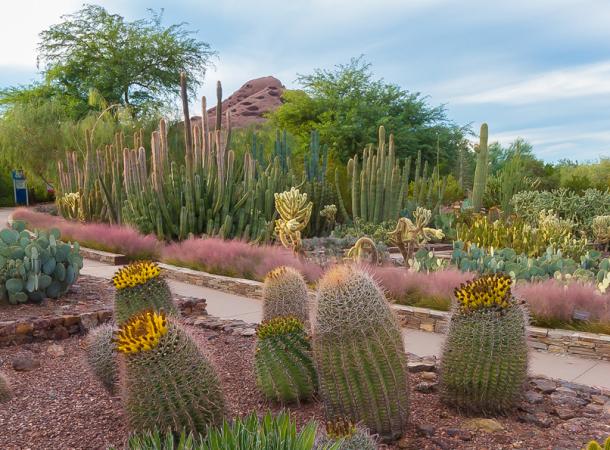
Where: 1201 N Galvin Pkwy, Phoenix Cost: $25 adults Time needed: 2–3 hours
The Desert Botanical Garden sits in Papago Park, a red-rock formation park in east Phoenix, and contains one of the finest collections of desert plants in the world. Over 50,000 plants from 4,000 species — saguaro cacti that are 150 years old, ocotillo in bloom, barrel cacti, agave in every variety — arranged across 140 acres of desert landscape.
This sounds like a niche interest and turns out to be a genuinely beautiful experience. The scale of a mature saguaro cactus — up to 40 feet tall, arms reaching in every direction, capable of holding hundreds of gallons of water — is something photographs don’t convey. Walking through a forest of them at golden hour, the desert light turning everything amber, is one of those unexpectedly moving experiences that Phoenix keeps offering.
Go in the morning after Camelback, before the heat peaks. Alternatively, the garden stays open late on select evenings and the night desert — cooler, the cacti lit against a dark sky — is extraordinary. Check their event calendar; live music evenings in the garden are particularly worth timing a visit around.
3. Watch the Sunset from South Mountain Park
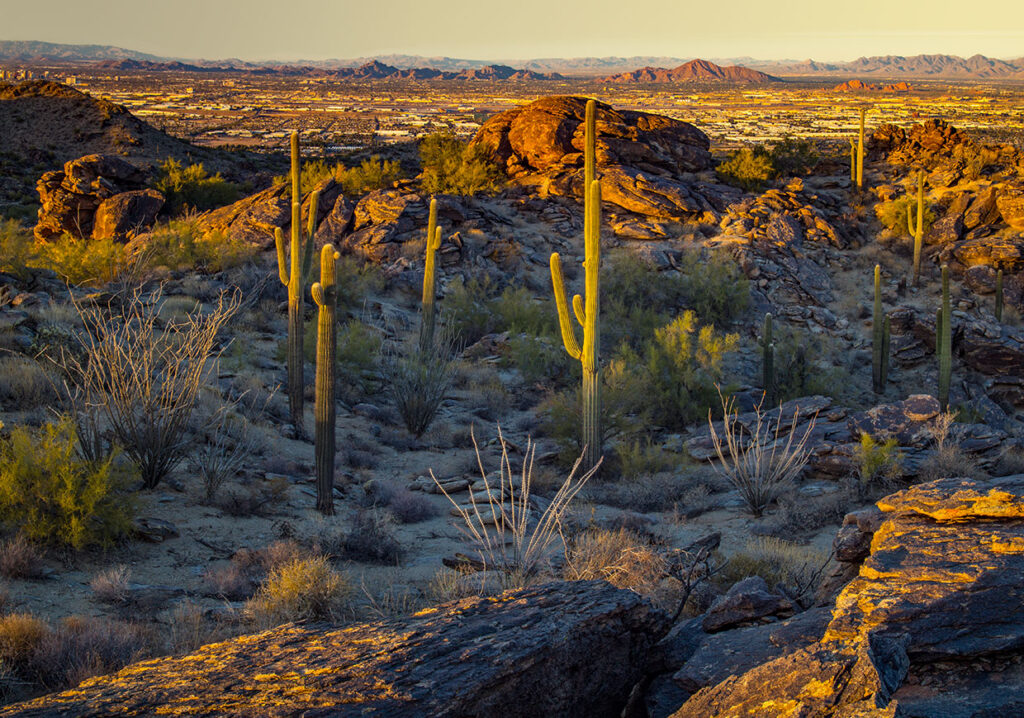
Where: 10919 S Central Ave, Phoenix Cost: Free Time needed: 1–2 hours
South Mountain Park is the largest municipal park in the United States — 16,000 acres of desert mountain range at the southern edge of the city. The Summit Road winds up to Dobbins Lookout at 2,330 feet, and the view from there at sunset is one of the best in Arizona.
The entire Phoenix metro spreads north in every direction. The light turns the desert gold, then orange, then deep red as the sun drops behind the White Tank Mountains to the west. On a clear day — which is most days in Phoenix — the colors are extraordinary. On a day with light cloud cover, they become something else entirely.
Drive up in the late afternoon, find a spot on the rock ledges at the lookout, and simply watch. The park also has hiking trails if you want to earn the view on foot — the National Trail runs 14 miles through the park for those with more time and energy.
Day 2: Culture, Food, and Old Town Scottsdale
4. Visit the Heard Museum
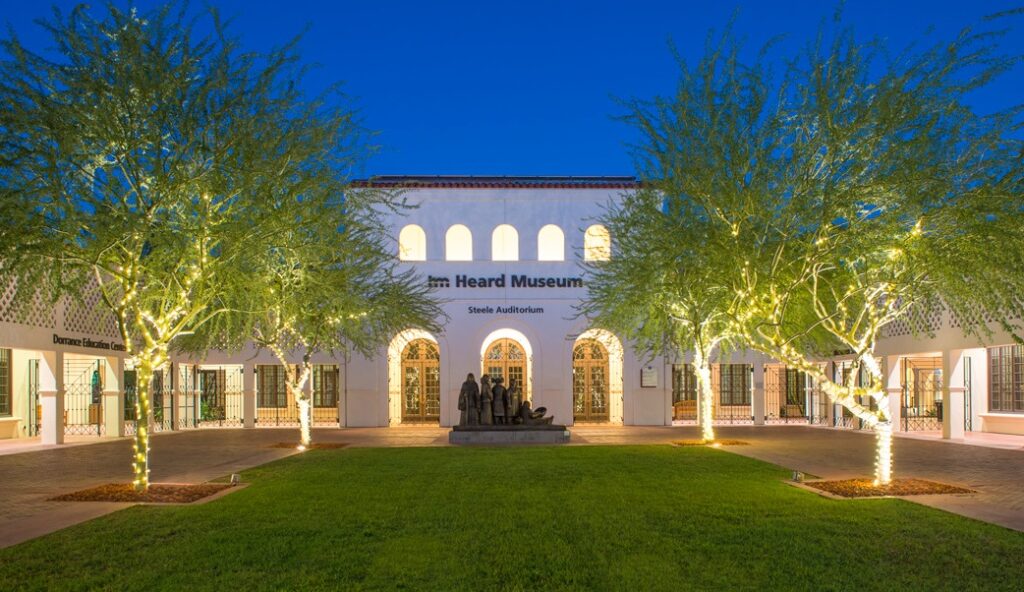
Where: 2301 N Central Ave, Phoenix Cost: $20 adults Time needed: 2 hours
The Heard Museum is one of the finest museums dedicated to Native American art and culture in the United States. The collection — built over nearly a century — covers the history, art, and contemporary experience of the Indigenous peoples of the Southwest, with particular depth on the Hopi, Navajo, Tohono O’odham, and other Arizona nations.
The exhibition on the federal Indian boarding school system — the forced removal of Native children from their families and communities, a policy that ran through the 20th century — is sobering and essential context for understanding the region you’re visiting. The contemporary art galleries, by contrast, showcase living Native artists working across painting, sculpture, textile, and video. The quality is exceptional.
This is not a museum to rush. Give it two hours and read the wall text. It will change how you see the landscape around you.
5. Walk Old Town Scottsdale
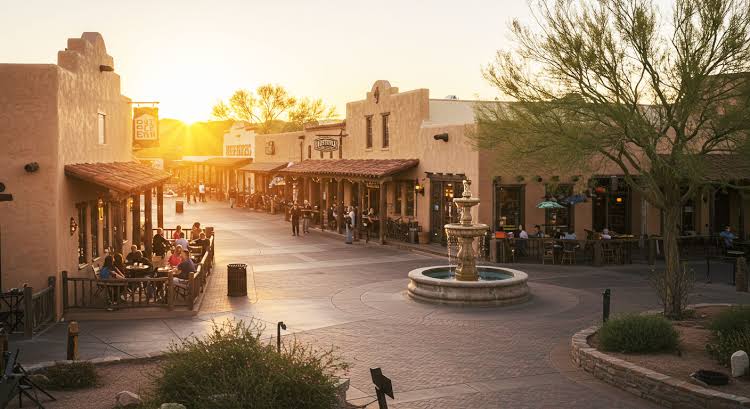
Where: Old Town Scottsdale, E Main St area Cost: Free to walk Time needed: Half day
Old Town Scottsdale is simultaneously a tourist district and a genuinely pleasant place to spend several hours. The western-themed architecture, the art galleries, the open-air plazas — it’s all a little performed, but it’s performed with enough care that it works. More importantly, it’s walkable in a way that almost nothing else in the Phoenix metro is, and the concentration of good restaurants, galleries, and shops makes it worth the visit.
The Scottsdale Arts District on Marshall Way has around 80 galleries concentrated in a few blocks — the density of serious contemporary art here is surprising and the Thursday evening ArtWalk (year-round, free) is the best time to visit. Several galleries represent artists of national significance.
For lunch, Craft 64 does exceptional wood-fired pizza and natural wines in a relaxed room that fills quickly. Alternatively, FnB on Craftsman Court is the restaurant that defines modern Scottsdale food — seasonal Arizona ingredients, a superb wine list focused on small producers, and cooking that is quietly one of the best in the Southwest.
6. Soak in a Desert Spa
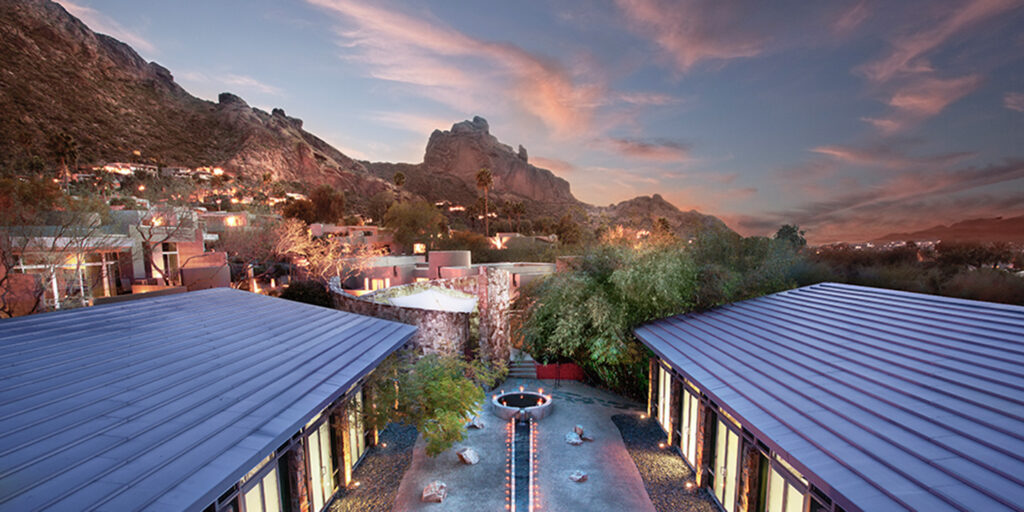
Where: Various — Scottsdale is the spa capital of the Southwest Cost: $50–$200+ depending on treatment Time needed: 2–4 hours
Scottsdale has more spas per capita than almost any city in America, and several of them are genuinely exceptional rather than merely expensive. The combination of the desert setting — the heat, the light, the silence — and the quality of treatments here makes for an experience that’s meaningfully different from a city spa.
Sanctuary Camelback Mountain Resort has a spa set into the mountain with outdoor treatment rooms where you lie in the open desert air. The contrast between the heat outside and the cool of the treatment spaces is part of the whole experience. Mid-week rates are significantly more reasonable than weekends.
For a more affordable option, the Osmosis float therapy centers in Scottsdale offer sensory deprivation float tanks — an hour of floating in warm, heavily salted water in complete darkness. After two days of desert hiking and sun, it’s a profoundly restorative experience. Book in advance.
7. Eat Your Way Through the Roosevelt Row Arts District
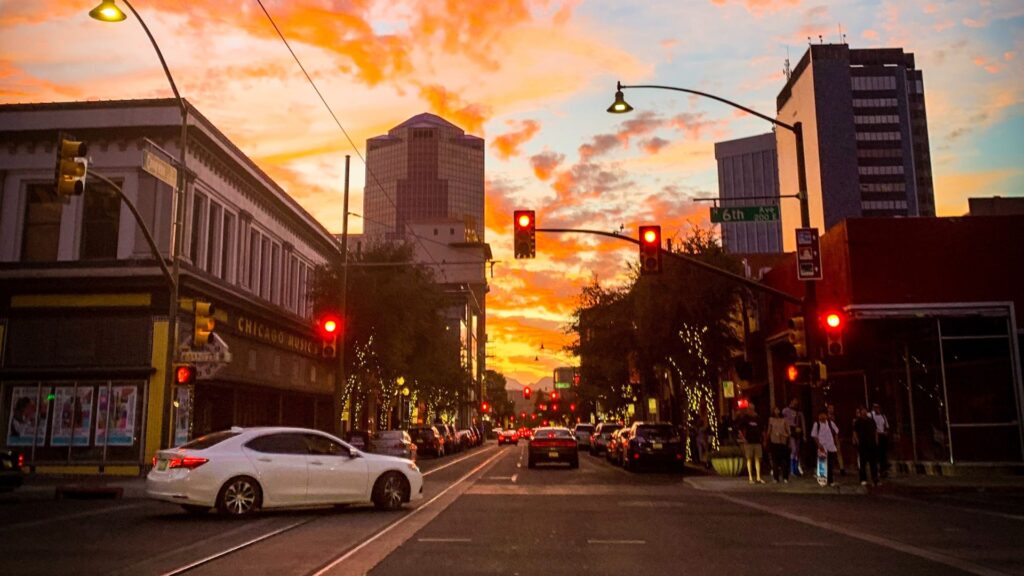
Where: Roosevelt St between 5th Ave and 16th St, Phoenix Cost: Varies Time needed: Evening
Roosevelt Row is Phoenix’s arts district — murals covering entire building faces, independent galleries, food trucks, and a cluster of excellent restaurants that represent the city’s food scene at its most interesting. On First Fridays (the first Friday of every month), the entire district opens up for a free public art walk that draws tens of thousands of people. If your visit coincides, go.
For dinner in the area, Otro Cafe does outstanding Mexican food that draws on the deep Arizona-Mexico connection — the green chile pork stew is one of the best things I ate in Phoenix. Pizzeria Bianco nearby is the most famous restaurant in Phoenix — Chris Bianco’s wood-fired pizza helped define the American artisan pizza movement — and the Rosa pizza (red onion, rosemary, Parmigiano-Reggiano, no tomato) is as good as it has always been. Book in advance or arrive when they open.
A reusable insulated water bottle is genuinely the most useful object you’ll carry in Phoenix. The dry desert air is deceptively dehydrating — you don’t sweat visibly the way you do in humid heat, so the thirst signals come later than your body actually needs water. A 32oz insulated bottle keeps water cold for hours in desert heat and the habit of refilling it constantly is what stands between you and a headache by 3pm. Furthermore, Phoenix tap water is safe to drink and the environmental case for not buying plastic bottles daily is obvious.
Day 3: Day Trips and the Open Desert
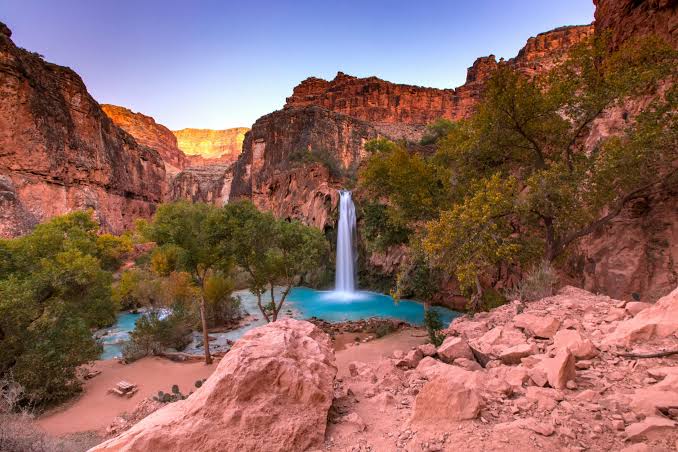
8. Drive to Sedona (The Non-Negotiable Day Trip)
Where: 2 hours north of Phoenix on I-17 Cost: $5 Red Rock Pass for parking / free with America the Beautiful PassTime needed: Full day
Sedona is two hours from Phoenix and belongs on a different planet. The red rock formations — Cathedral Rock, Bell Rock, Courthouse Butte, the Coffeepot — rise from the desert in colors that shift from burnt orange to deep crimson depending on the light. The town itself is small and somewhat overrun with crystal shops and vortex tourism. The landscape around it, however, is one of the most beautiful in America.
Go for the hiking. Cathedral Rock Trail is the iconic scramble — short (1.2 miles round trip), steep, ending on a saddle between the rock formations with a view that stops conversation. Devil’s Bridge is a natural sandstone arch that requires a 4-mile round trip hike and rewards you with a view through the arch over the canyon that you will not forget. Both require a Red Rock Pass for trailhead parking.
Leave Phoenix by 6:30am to arrive before the crowds build. Have breakfast at Coffee Pot Restaurant in Sedona — a diner operating since the 1950s with 101 items on the omelette menu, a fact that seems implausible and turns out to be true. Return to Phoenix in the late afternoon and have a quiet final evening.
9. Visit Taliesin West
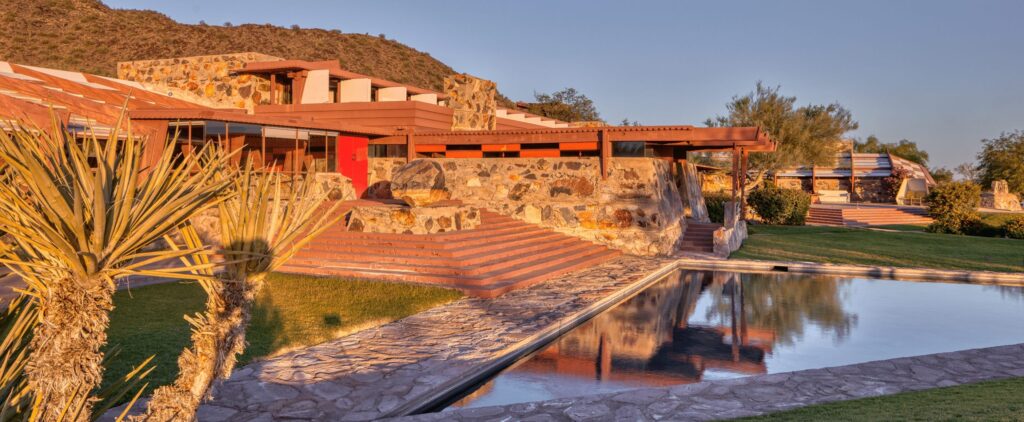
Where: 12621 N Frank Lloyd Wright Blvd, Scottsdale Cost: $44 for the guided tour Time needed: 1.5–2 hours
Taliesin West was Frank Lloyd Wright’s winter home and studio from 1937 until his death in 1959, and it remains one of the finest examples of his organic architecture philosophy — buildings designed to grow from the landscape rather than sit on top of it. The desert location was deliberate: Wright saw the Sonoran Desert as a direct expression of the principles he’d been developing his entire career.
The guided tour takes you through the drafting studio, the living quarters, the theatre, and the gardens, explaining both the architectural thinking and the fascinating personal history of Wright and the Taliesin Fellowship. The building materials — desert rock, sand, redwood, canvas — were sourced on-site and the result is a complex that seems to emerge from the ground it stands on.
Book in advance — tours fill up, particularly in the busy winter season (October through April). Go in the morning when the light is best on the desert stone.
10. Chase the Saguaro at Saguaro Lake
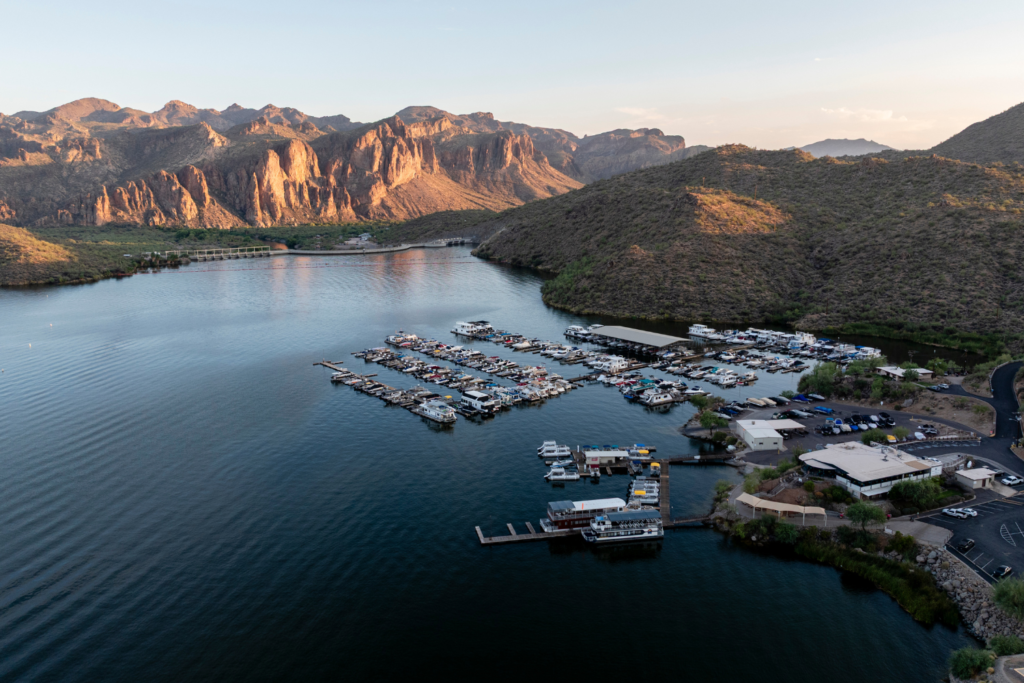
Where: 13020 N Bush Hwy, Mesa Cost: $8 day use fee Time needed: Half day
Saguaro Lake sits in the Tonto National Forest about 40 minutes from central Phoenix, and offers a completely different version of the Arizona landscape from the urban desert parks. The lake itself — formed by the Stewart Mountain Dam on the Salt River — sits in a canyon of saguaro-covered hills, the water unexpectedly blue against the red and tan rock.
Rent a kayak or paddleboard from the Saguaro Lake Marina and spend a morning on the water. Paddling through the canyon arms, the saguaros above you on both sides, the silence broken only by birds and the occasional splash, is one of those experiences that resets something in you. Desert kayaking sounds oxymoronic. It is, in fact, one of the most peaceful things I did in Phoenix.
Alternatively, the Desert Belle — a narrated boat tour of the lake — runs twice daily and is excellent for anyone who wants the view without the paddling effort.
For a full outdoor day like this, a cooling towel is the small kit item that earns its place in Arizona specifically. Wet it, snap it, and the evaporative cooling effect in dry desert air is remarkable — it can drop the surface temperature by 30°F and wraps comfortably around your neck between activities. After a morning of kayaking in the desert sun, it’s the difference between feeling energised and feeling flattened. Pack one in your day bag from day one.
Where to Eat: Phoenix’s Best Kept Secrets
Budget:
- Los Reyes de la Torta — a tiny counter-service spot near downtown making some of the best tortas (Mexican sandwiches) in Arizona. The torta ahogada (drowned sandwich, bathed in chile sauce) is messy, extraordinary, and costs under $10.
- Tacos Chiwas — Chihuahuan-style tacos on flour tortillas in a simple East Phoenix restaurant. The brisket taco is the order. Under $15 for a full meal.
- The Breakfast Club — a classic Phoenix diner in Scottsdale with enormous portions and very modest prices. The huevos rancheros are the right call.
Mid-range:
- Proof at Four Seasons Scottsdale — the restaurant at the Four Seasons resort, which sounds expensive and at lunch is surprisingly reasonable. The views over the desert and the quality of the local ingredients make it worthwhile.
- Kai Restaurant (Sheraton Grand at Wild Horse Pass) — the only AAA Five Diamond restaurant in Arizona, run by the Pima and Maricopa tribes on their reservation south of Phoenix. The ingredients are sourced from the reservation lands and the menu tells a genuine story of place. Book well in advance.
Practical Notes
When to go: October through April is the golden window. Temperatures range from 65–85°F, the desert is in bloom from February onward, and the hiking is exceptional. May begins to push into uncomfortable heat. June through September is survivable but requires significant schedule adjustments — all outdoor activities before 8am, indoors through the heat of the day.
Getting around: Rent a car. The light rail is useful for getting between downtown Phoenix, Tempe, and the airport, but for Scottsdale, South Mountain, Camelback, and the day trips, a car is essential.
Dress code: Phoenix is casual. Even the better restaurants operate in smart casual at most. However, a light layer for indoor spaces is genuinely necessary — air conditioning in Arizona is aggressive and restaurant interiors can be surprisingly cold.
Tipping: Standard US rates — 20% at restaurants, tip your spa therapist ($20 minimum), tip guides on tours.
A final kit note: the desert air in Phoenix is extremely dry. A travel-size facial misting spray with mineral water or hydrating serum keeps skin from feeling tight and uncomfortable during long outdoor days. It sounds like an indulgence. After three days in the Sonoran Desert, it becomes a necessity. Skin that’s properly hydrated from the outside, combined with consistent water intake, makes the difference between feeling good at the end of each day and feeling like the desert has won.
The Honest Summary
Phoenix rewards the visitor who approaches it on its own terms. It is not a compact, walkable European city. It is not a coastal beach destination. It is a vast desert city with extraordinary hiking, a rapidly maturing food scene, genuine cultural depth through the Heard Museum and the Native communities of the region, and access to some of the most dramatic landscapes in North America within two hours in any direction.
Three days is a real introduction. It’s enough to understand why people who arrive here for a winter and then somehow never leave again — the light, the space, the dry warmth — make the choice they do.
Go early on the trails. Drink the water. Watch the sunset from the mountain.
The desert will take care of the rest.
Article by Just a Lion · November 2026