10 Things to Do in Denver in 3 Days (At Altitude, With Snacks)
USA · Colorado · Weekend Guide
Denver will get you before you even unpack.
You land, you grab your bag, you walk through the airport feeling great about life, and then you try to climb one flight of stairs and your legs feel like they belong to someone much older and less optimistic than you. Welcome to 5,280 feet above sea level. Welcome to the Mile High City. Welcome to the first time in your life that walking to a restaurant will leave you slightly out of breath.
The good news is that this passes within 24 to 48 hours. The better news is that Denver is worth every slightly dizzy moment of adjustment. The city sits at the foot of the Rocky Mountains with 300 days of sunshine per year, a craft beer scene that has absolutely lost its mind in the best possible way, a food culture that quietly became one of the best in the Mountain West, and access to hiking, skiing, and mountain scenery that would make any city envious.
Three days is a genuinely good amount of time here. Enough to eat well, see what matters, take a proper day trip into the mountains, and still have one evening where you sit on a patio in the sun with a cold beer and feel like you completely understand why people move here.
One practical note before anything else: the altitude is real and the sun at altitude is genuinely more intense than at sea level. A broad spectrum SPF 50 sunscreen applied every morning is non-negotiable, even in winter, even when it’s cloudy. Denver’s UV index runs significantly higher than coastal cities. Your face will not forgive you for skipping this. Apply it. Thank yourself later.
How Denver Works
Denver proper is a compact, walkable city with an excellent light rail and bus system. The 16th Street Mall runs through the heart of downtown and connects most of the main neighborhoods. You can get between LoDo (Lower Downtown), RiNo (River North), Capitol Hill, and the Golden Triangle entirely on foot or by the free 16th Street Mall shuttle.
For the mountain day trips on this list, however, you will need a car. Rent one for day three specifically, or for the full trip if you plan to move around freely. The drive west on I-70 toward the mountains is one of the great American road trip corridors.
Day 1: Downtown, Art, and the Best Beer Decision You Will Ever Make
1. Walk the 16th Street Mall and Larimer Square
Where: Downtown Denver Cost: Free Time needed: 2 hours
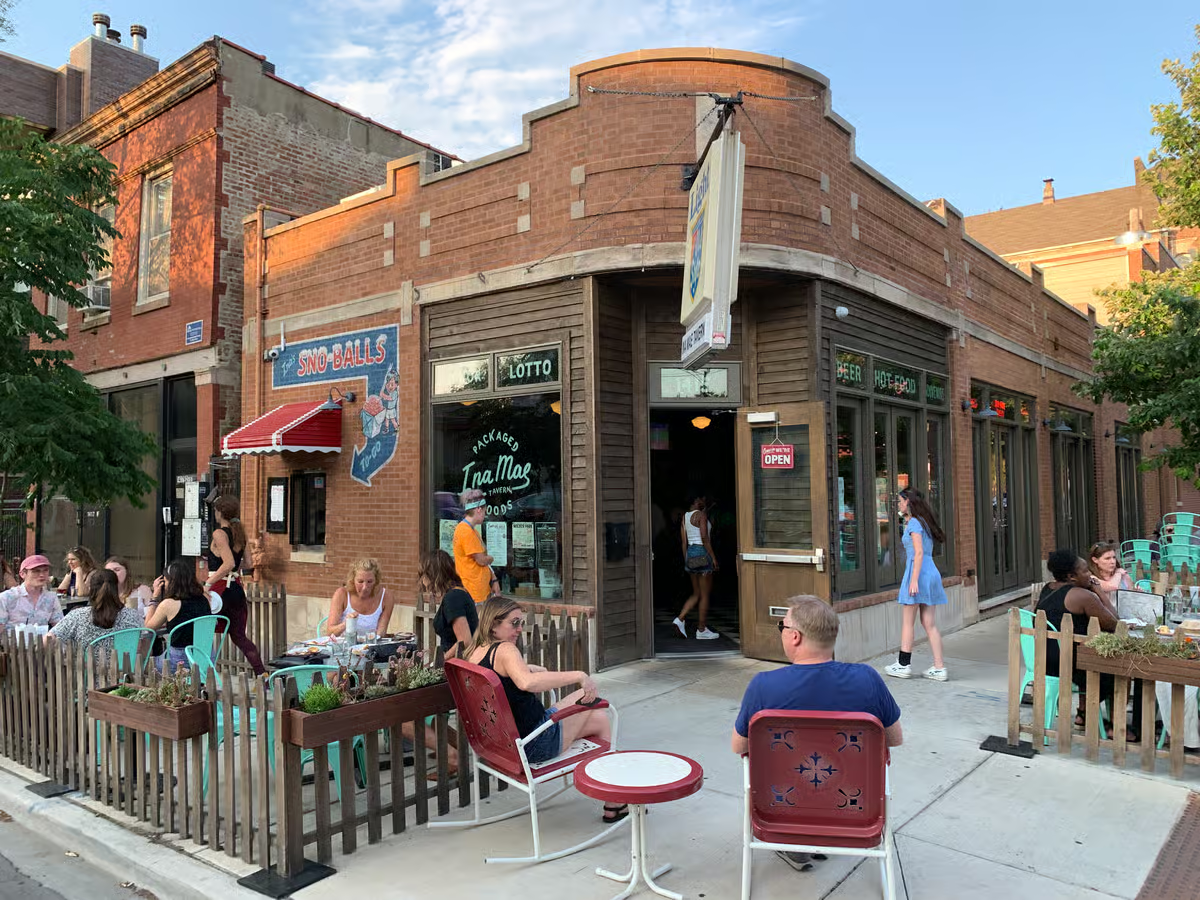
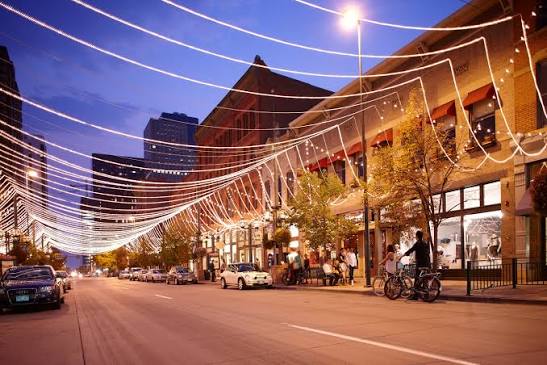
Start here because it orients you. The 16th Street Mall is a mile-long pedestrian promenade through the heart of downtown, lined with shops, restaurants, and the kind of street life that tells you immediately what a city is about. Denver’s version says: outdoorsy, friendly, slightly sunburned, extremely comfortable in hiking boots at all times of day including dinner.
Turn off the mall at Larimer Square, which is Denver’s oldest and most atmospheric block. The Victorian-era buildings are strung with lights year-round and contain some of the city’s best restaurants, bars, and boutiques. Furthermore, this is where you’ll want to be on a Friday or Saturday evening when the whole street fills up and the energy is excellent.
While you’re walking, look west. On clear days, the entire Front Range of the Rockies is visible from downtown Denver. The mountains sit there like a promise on the horizon, close enough that they seem fake, far enough that you understand why people drive toward them every weekend.
2. Spend the Morning at the Denver Art Museum
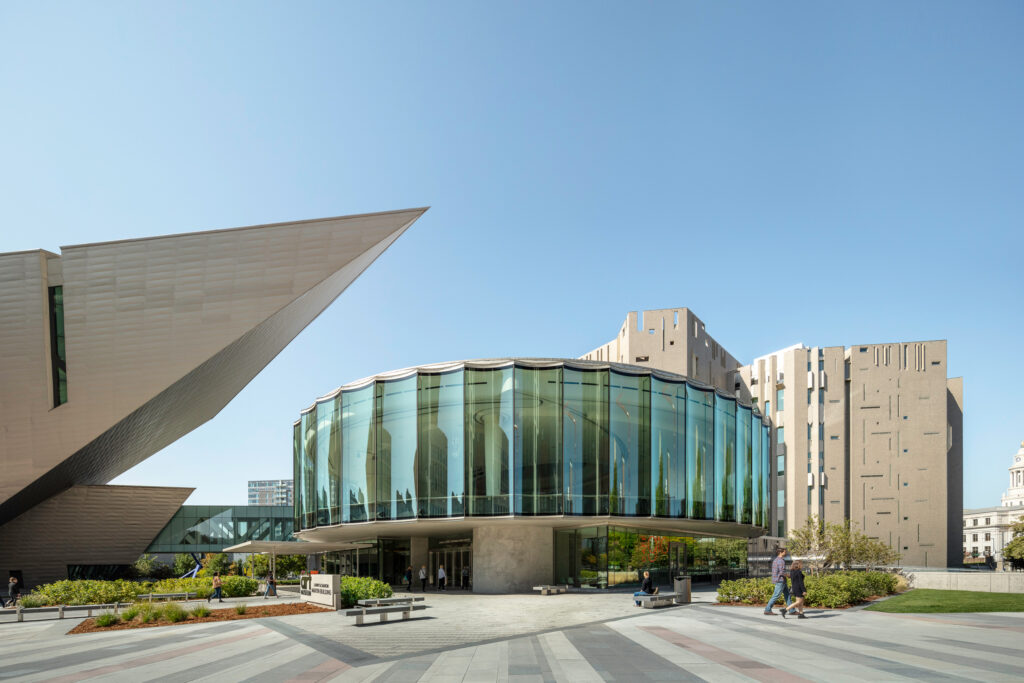
Where: 100 W 14th Ave Pkwy, Denver Cost: $10 to $22 depending on exhibitions Time needed: 2 to 3 hours
The Denver Art Museum is genuinely one of the best art museums in the American West. The collection is broad and well-curated, but the star is the Native Arts department, which holds one of the finest collections of Indigenous American art in the world. Over 18,000 objects spanning centuries of creative production across dozens of nations. It is remarkable, and it is the part of the museum that most visitors rush past to get to the European paintings.
Don’t do that. Start in Native Arts. Give it an hour. The collection will reframe how you see the landscape you’re about to spend three days in.
The Hamilton Building, designed by Daniel Libeskind, is also worth paying attention to as a building. The angular titanium exterior is polarizing and intentionally so. The interior is unusual and sometimes frustrating as a gallery space. It is nevertheless one of the most architecturally interesting buildings in Denver and worth walking around the outside even if you don’t go in.
3. Drink Your Way Through the RiNo Art District (Responsibly, but Thoroughly)
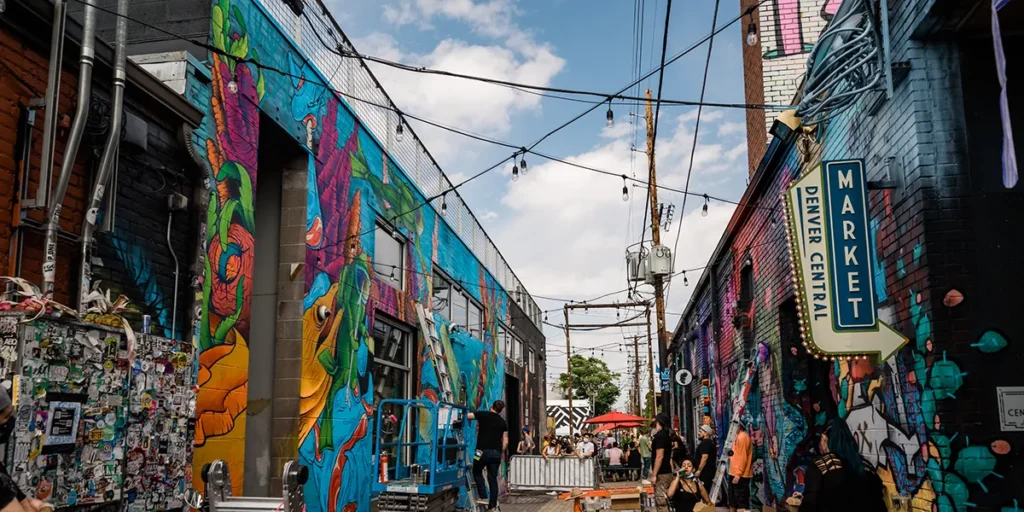
Where: River North neighborhood, north of downtown Cost: $5 to $10 per beer Time needed: Afternoon into evening
RiNo is where Denver’s creative and brewery culture collide with extremely pleasing results. The neighborhood, a former industrial area along the South Platte River, is now covered in murals, independent galleries, design studios, and more craft breweries per square mile than seems reasonable for any neighborhood in any city anywhere.
Start at Ratio Beerworks, which has one of the best taprooms in the city and a patio that fills with exactly the kind of people you want to be around on a sunny Denver afternoon. From there, walk to Odell Brewing for something from their experimental small-batch list, and finish at Great Divide Brewing whose Yeti Imperial Stout is one of the finest beers produced in Colorado and should be treated as such.
Critically, eat while you do this. The altitude amplifies the effect of alcohol noticeably and several visitors learn this lesson the hard way around 6pm on their first day. Therefore, the excellent food trucks that park around the RiNo breweries exist for a reason. Use them. The green chile truck specifically. Always the green chile truck.
A reusable insulated water bottle should be with you for this and every day in Denver. The altitude and the dry mountain air dehydrate you significantly faster than you expect. Drinking beer without matching water intake is a very effective way to feel terrible by 9pm. Fill the bottle, carry it everywhere, refill it constantly. Your morning self will be grateful to your afternoon self for this arrangement.
Day 2: Food, Music, and the Neighborhood You Didn’t Know You Needed
4. Eat Breakfast at Snooze, an A.M. Eatery
Where: Multiple locations across Denver Cost: $12 to $18 per person Time needed: 1 hour
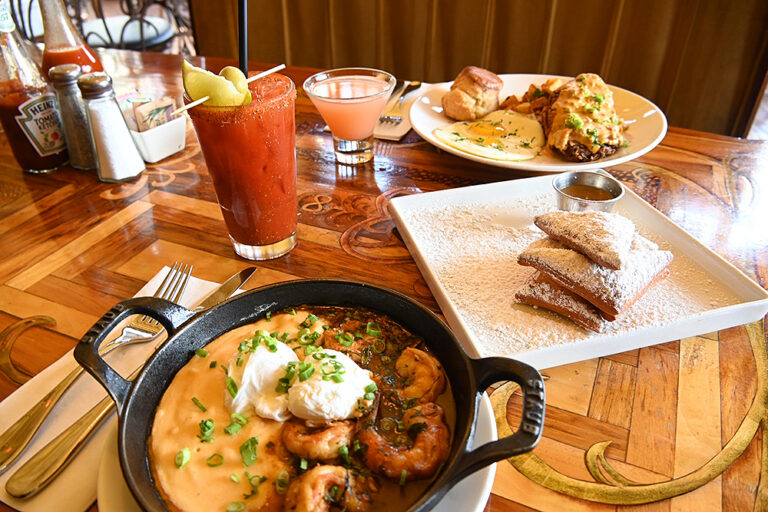
Snooze started in Denver and has since spread across the country. The original, however, is still the best and sets the standard for what a pancake should aspire to be. The pineapple upside-down pancakes are the signature and are everything their reputation promises. The breakfast burrito is enormous and correctly built. The Bloody Mary bar, where you customize your own, is a deeply irresponsible amount of fun before noon.
There will be a queue. There is always a queue. The queue, however, moves faster than it looks and the coffee arrives while you wait outside. Moreover, it is worth every minute of the wait, which is exactly what every person ahead of you in line would also tell you.
5. Explore the Golden Triangle and Spend Time at the Clyfford Still Museum
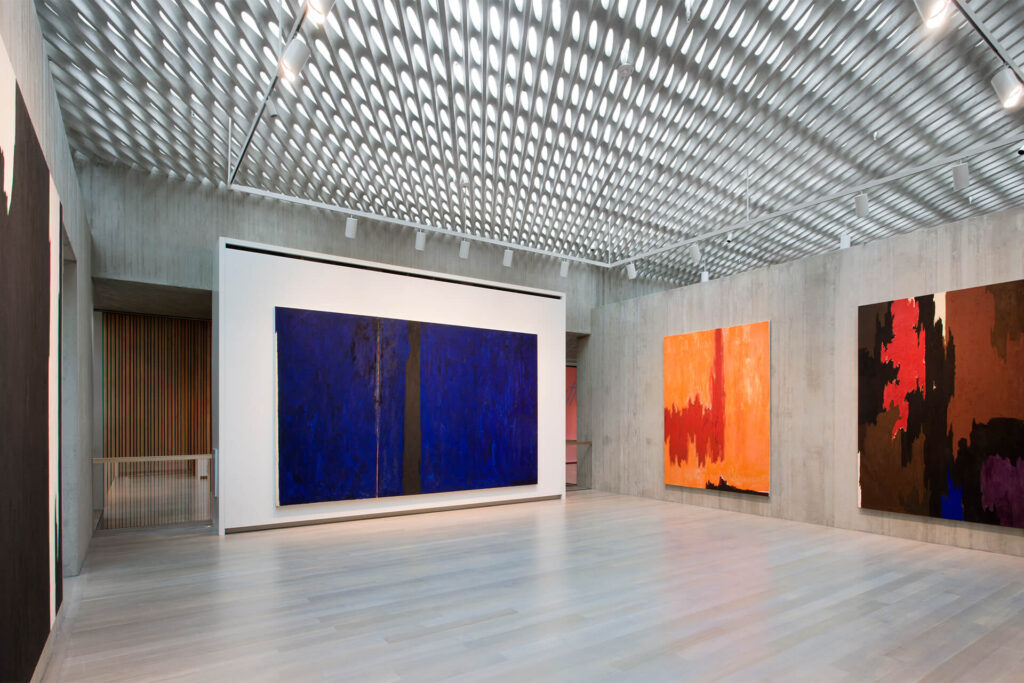
Where: 1250 Bannock St, Denver Cost: $10 Time needed: 1.5 hours
The Clyfford Still Museum is one of Denver’s best-kept secrets and one of the finest single-artist museum experiences in America. Clyfford Still was one of the first generation Abstract Expressionists, as significant as Pollock and Rothko, and considerably less famous. He left his entire estate to a city that would build a permanent museum for it. Denver won. The building, by Brad Cloepfil, is specifically designed around the paintings and the natural light is extraordinary.
Go in the afternoon when the light through the diffused skylights is at its best. The paintings are enormous, violent, and alive in ways that reproductions completely fail to capture. This is the museum that rewards visitors who thought they didn’t care about abstract painting and leave having reconsidered.
The Golden Triangle neighborhood around it, furthermore, is worth walking after you visit. It contains the Denver Art Museum, the History Colorado Center, and a cluster of good galleries and cafés on Santa Fe Drive.
6. Eat at Larimer Square for Dinner
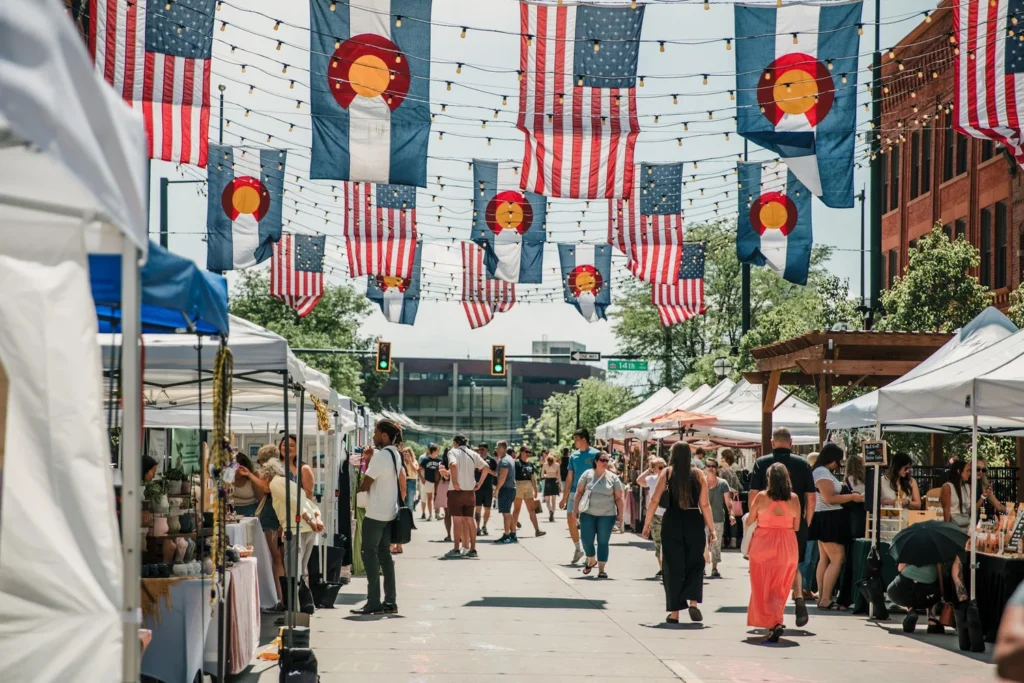
Where: Larimer Square, Downtown Denver Cost: $25 to $50 per person Time needed: 2 to 3 hours
Denver’s restaurant scene has genuinely grown up in the last decade and Larimer Square is where it shows most confidently. Several excellent options are concentrated here.
Rioja is the anchor restaurant and one of the best in the city. Jennifer Jasinski’s Mediterranean-influenced cooking is technically superb and the pasta program here is as good as anything I’ve eaten in the Mountain West. The roasted garlic custard with mushroom ragù is a dish that sounds strange and tastes like a religious experience.
Bistro Vendôme is a French bistrot that does the classics properly without being stiff about it. The steak frites are excellent. The wine list leans French and is well-priced. Sitting outside on their covered patio on a warm Denver evening with a Côtes du Rhône is a very good use of anyone’s time.
For something more casual, Ophelia’s Electric Soapbox is a music venue and restaurant in a former brothel (genuinely) where the food is better than it needs to be given how good the music is, and the music is very good. Go on a Friday when they have live acts.
7. End the Night in Capitol Hill
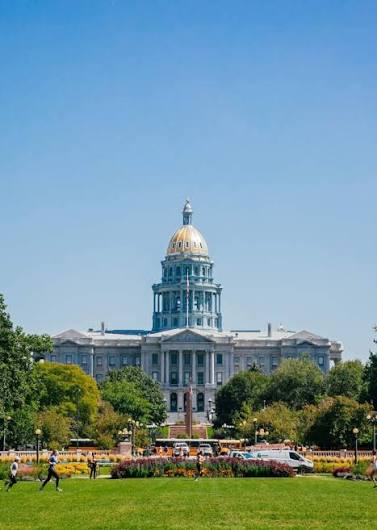
Where: East Colfax Ave and surrounding streets Cost: Varies Time needed: Evening
Capitol Hill and the East Colfax corridor are where Denver’s music and bar scene has its most authentic expression. Colfax Avenue was once called the most sinful street in America by Playboy magazine, a distinction that the neighborhood wears with considerable pride.
The Bluebird Theater and The Ogden are two of the best mid-size music venues in the city and almost always have something worth seeing. Check the calendar before you visit and book accordingly.
For bars, Williams and Graham is a speakeasy-style craft cocktail bar behind a bookshelf door that serves some of the best cocktails in Denver in a room that feels like someone’s very sophisticated library. The bartenders know what they’re doing and will build you something based on a flavor description if you ask. This is encouraged.
Day 3: The Mountains Are Not a Suggestion
8. Drive to Rocky Mountain National Park
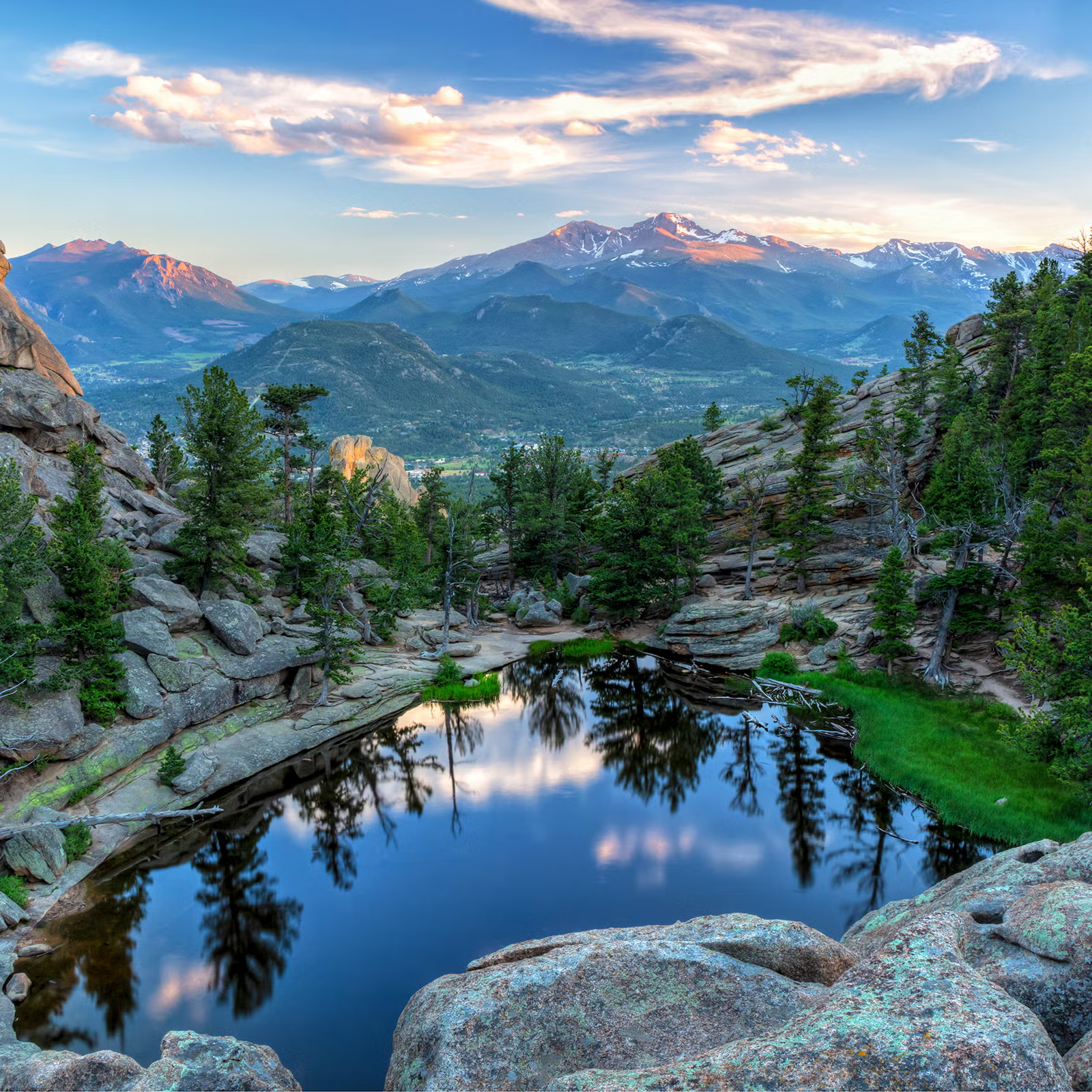
Where: Estes Park, CO (1.5 hours from Denver) Cost: $35 per vehicle day pass (or America the Beautiful Pass) Time needed: Full day
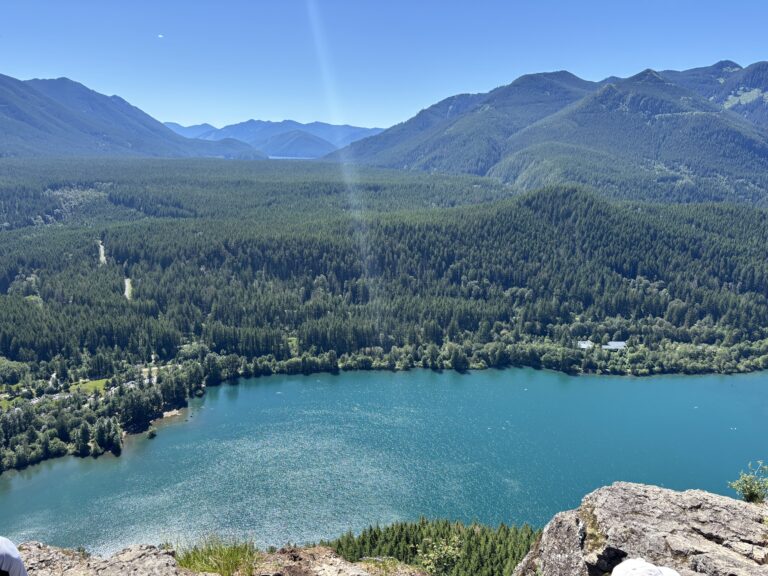
Rocky Mountain National Park is one of the great American national parks and the fact that it is 90 minutes from a major city is something that Denver residents try not to talk about too loudly in case everyone finds out. The park contains 415 square miles of mountain scenery, 300 miles of hiking trails, over 150 lakes, and wildlife that includes elk, mule deer, bighorn sheep, moose, and the occasional black bear.
Trail Ridge Road, if it’s open (it closes with snow October through late May roughly), is the highest continuously paved road in America. It crosses the Continental Divide at 12,183 feet and the views from the alpine tundra sections are unlike anything accessible by car in the Lower 48. Pull over at every viewpoint. Get out of the car. Let the altitude and the scale of the landscape recalibrate your sense of proportion.
For hiking, Bear Lake is the most accessible and most photographed. It earns its reputation. The Emerald Lake Trailfrom Bear Lake adds another 1.8 miles round trip and a series of increasingly beautiful lakes at each turn. Mills Lake is slightly longer and noticeably less crowded than the Bear Lake loop. Go early regardless of which trail you choose. The parking areas fill completely before 9am in summer and timed entry permits are required in peak season.
For a full mountain day like this, a hydration vest keeps both hands free on the trail and holds enough water to cover 5 to 6 miles comfortably. At altitude, you need significantly more water than at sea level and you’ll barely notice you’re drinking it until you suddenly, urgently need to have drunk more. A built-in bladder with a bite valve means continuous sipping without stopping. Get one before the park.
9. Stop in Estes Park for Lunch and the Stanley Hotel
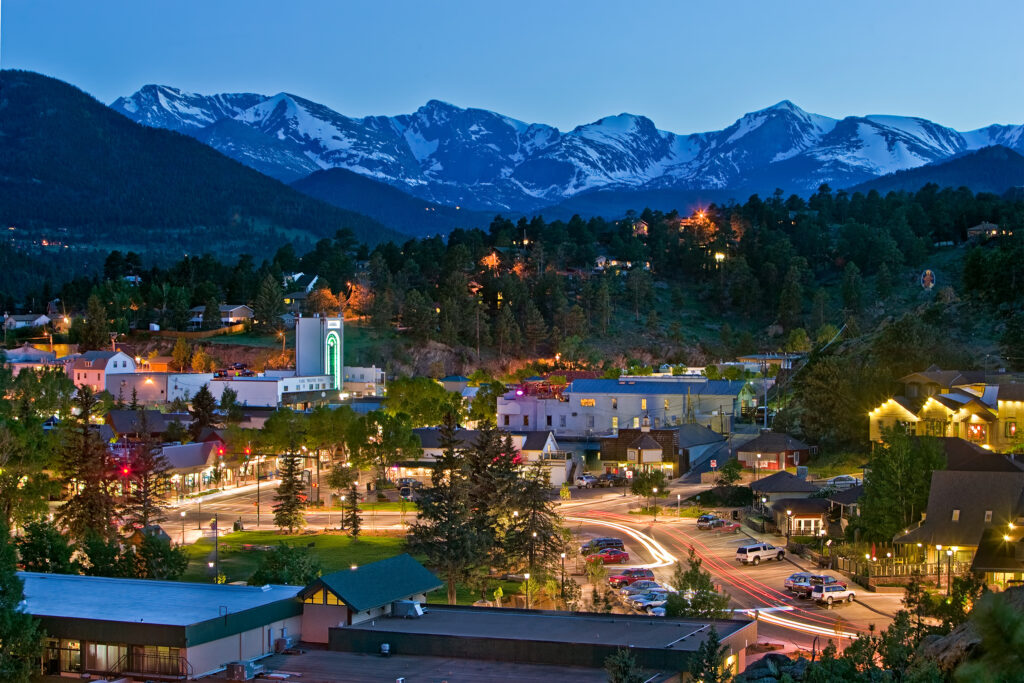
Where: Estes Park, CO (gateway town to RMNP) Cost: Free to walk, hotel tours from $25 Time needed: 1.5 hours
Estes Park is the small mountain town that serves as the gateway to Rocky Mountain National Park, and it sits in a valley surrounded by peaks that would be the most dramatic scenery in most states but here is just a normal Tuesday in Colorado.
The Stanley Hotel is the main attraction beyond the national park itself. Stephen King stayed here in 1974, couldn’t sleep, went for a walk in the empty off-season corridors, and went back to his room and wrote The Shining. The hotel offers ghost tours, history tours, and an excellent brunch in the main dining room. Even if you’re not a King fan, the hotel is beautiful and the mountain views from the veranda are some of the best in the area.
For lunch, Bird and Jim is a farm-to-table restaurant in Estes Park that consistently surprises visitors who expected a tourist town sandwich shop. The elk burger is the order. Order the elk burger.
10. Sunset at Red Rocks Amphitheatre
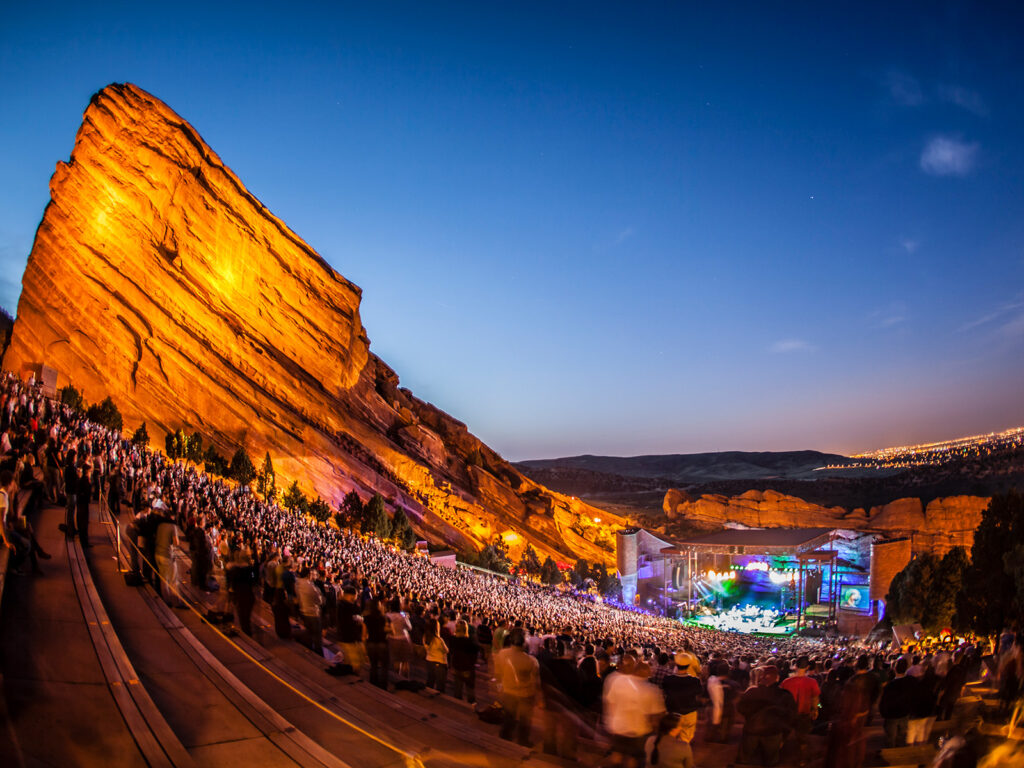
Where: 18300 W Alameda Pkwy, Morrison (45 minutes from Denver) Cost: Free during the day, concert tickets varyTime needed: 2 hours
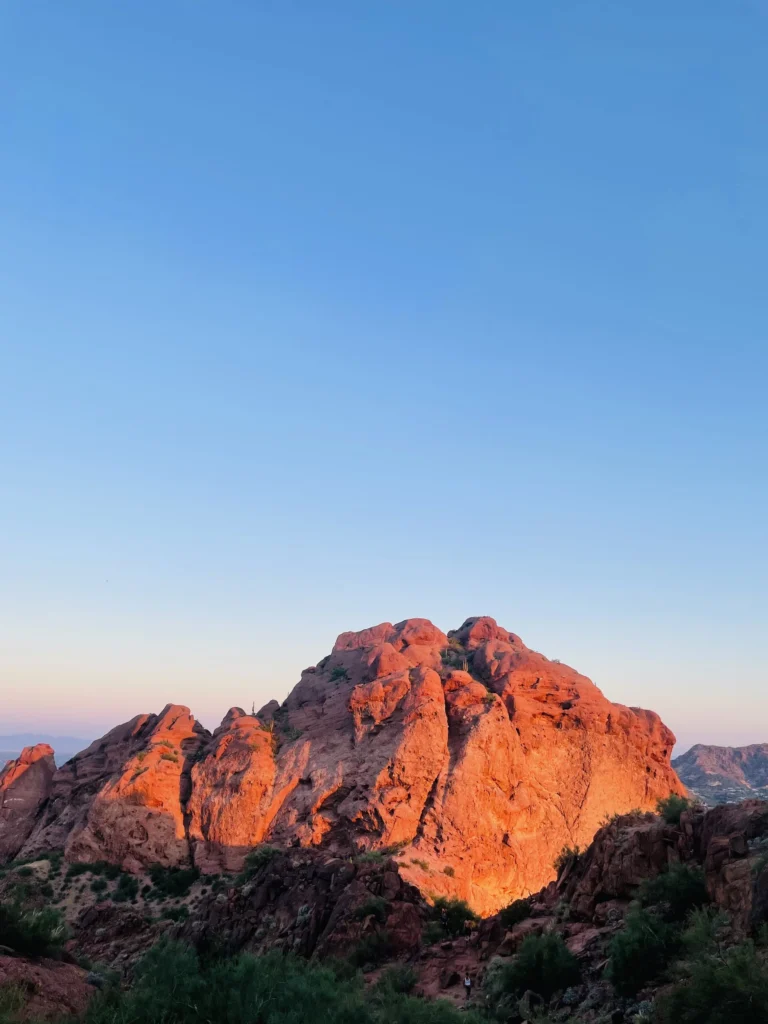
Red Rocks is one of the most extraordinary natural concert venues in the world, and it is extraordinary even when there is no concert. The amphitheatre is carved into a natural formation of 300-foot sandstone rocks that turn from orange to red as the light changes, and the view from the upper seats looks west across the Colorado foothills toward the mountains.
On a clear evening, arriving for sunset and watching the light shift across the rocks while the city glitters in the distance behind you is genuinely one of the best free things you can do in the Denver area. On an evening when there’s a concert, it becomes something else entirely. Red Rocks has the best natural acoustics of any outdoor venue I’ve been to anywhere, and seeing a live act here, with those rocks framing the stage and the open sky above, is a bucket list experience.
Check the concert calendar well in advance. Shows here sell out fast and the range is enormous, from rock to classical to comedy to electronic. Additionally, the Trading Post hiking trail that loops around the park behind the venue is a beautiful 1.4 mile walk through the rock formations before a show.
For a sunset evening at Red Rocks, a lightweight packable fleece is the piece of kit that separates the prepared visitor from the shivering one. Denver evenings drop in temperature fast, particularly at elevation, and the breeze through the rock formations at Red Rocks specifically can be significant even on a warm day. Tuck the fleece in your bag every morning. You’ll need it more evenings than you think.
Where to Eat and Drink Beyond the List
Budget:
- El Taco de Mexico is a Denver institution and the best cheap breakfast in the city. The green chile smothered breakfast burrito is $7 and will make you reconsider every other breakfast burrito you have ever eaten. Cash only.
- Illegal Pete’s is a Colorado-born burrito chain that does enormous, well-made Mission-style burritos for under $12. It’s a chain and it’s better than most non-chains.
Mid-range:
- Work and Class in RiNo does South American-influenced comfort food in a loud, fun room with some of the best cocktails in Denver. The short rib with chimichurri is the order.
- Pho 95 on Federal Boulevard is in Denver’s Little Saigon neighborhood and serves a bowl of pho that is consistently ranked among the best in the city. Under $15. Go hungry.
Splurge:
- Frasca Food and Wine in Boulder (30 minutes from Denver) is one of the best restaurants in Colorado, full stop. The Friulian Italian menu and the extraordinary wine list make the short drive completely worthwhile. Book weeks in advance.
Practical Notes
Altitude: Drink water before you feel thirsty. Avoid heavy alcohol on day one. Sleep may be lighter than usual for the first night or two. This is normal. Eat carbohydrates, hydrate aggressively, and move at 80% of your usual pace for the first 24 hours.
Weather: Denver’s 300 days of sunshine is real but the remaining 65 days can include significant snowfall at any time of year including May. Check the forecast before mountain day trips. Always carry a layer you don’t expect to need because you will need it.
Getting around: Downtown Denver is walkable and the light rail covers most of the main neighborhoods. For RiNo and Capitol Hill, the free 16th Street Mall shuttle connects to most routes. Rent a car for day three mountains.
When to go: May through October is optimal. Summer (June through August) is warm, sunny, and ideal for hiking. September and October bring spectacular fall foliage across the mountain areas. March through April is ski season in the nearby resorts with Cherry Creek and Breckenridge under an hour from Denver.
A final note on the altitude and the dry air together: your skin and lips will feel it within hours of arriving. A travel-size lip balm with SPF in every jacket pocket is the smallest possible intervention that makes a noticeable difference across three days at altitude. It sounds trivial. Cracked lips by day two while trying to enjoy one of America’s great mountain cities is not trivial. Pack several. Distribute them across your bags like little altitude survival kits.
The Honest Summary
Denver is the American city most likely to make you seriously reconsider where you live.
The mountains are always there, visible from downtown, a constant reminder that an extraordinary landscape is 45 minutes away on any given morning. The food is better than it has any right to be. The beer is exceptional and taken seriously. The people are outdoorsy and friendly in a way that comes from spending a significant portion of their lives at altitude doing things that require goodwill toward strangers.
Three days gives you a real taste. It gives you one great hike, one great night, one great museum experience, and one late afternoon on a brewery patio watching the sun move across the Front Range with a cold beer in hand thinking: yes, I understand this completely.
Go. Drink the water. Earn the view.
The Rockies will handle the rest.
Article by Just a Lion · May 2025