One Week in Lisbon: What I Loved, What I’d Skip, and Why I’m Already Planning to Go Back
I’ll be honest with you: I almost didn’t go to Lisbon.
Everyone I knew had been. It had become one of those cities people call “underrated” so frequently it no longer is. I worried I’d arrive somewhere over-touristed and overpriced, full of rooftop bars designed for Instagram and pastéis de nata sold to people who’d never heard of them two years ago.
I was wrong. Or at least — mostly wrong. Lisbon genuinely earned my affection, and it did it the old-fashioned way: through good food, beautiful light, and a stubborn refusal to be entirely tamed by tourism. But I also won’t pretend it’s perfect. There are parts of the city that feel like they’re being hollowed out, and as a traveler, you bear some responsibility for where you put your money.
Here’s everything I’d tell a friend planning a week there.
Getting There & First Impressions
Lisbon’s Humberto Delgado Airport is small, efficient, and close to the city. I took the Metro (Line Red, Aeroporto station) and was in my accommodation in 25 minutes for €1.65. Don’t bother with a taxi unless you have a mountain of luggage.
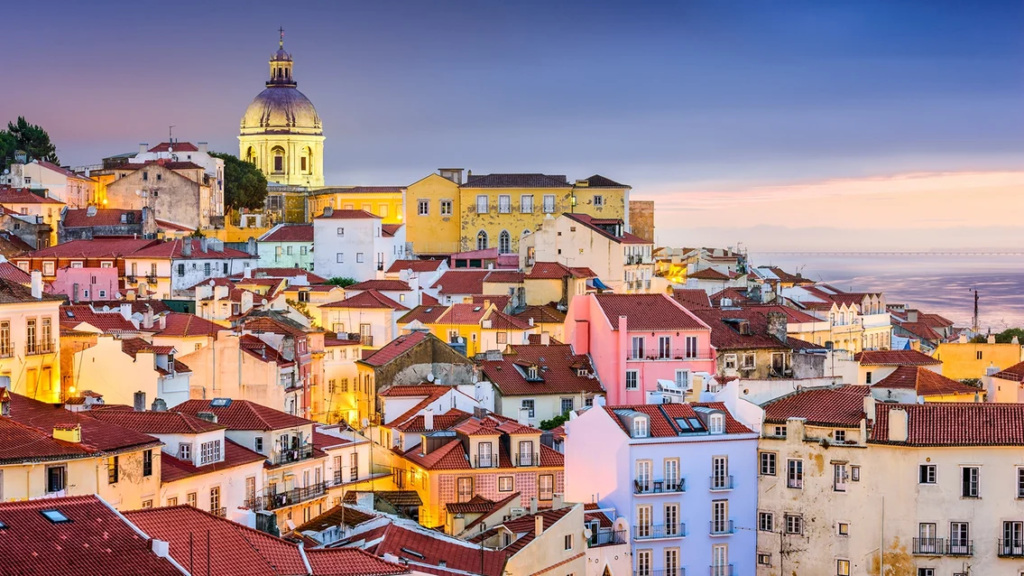
My first impression walking out of Rossio station at dusk: the light. Lisbon has the most extraordinary late afternoon light I’ve encountered in Europe. It hits the white and blue azulejo tiles on building facades and turns everything golden. I stood on a corner like an idiot for five minutes just watching a tram go by. Worth it.
Where I Stayed
Bairro Alto Hotel — I splurged for three nights here and don’t regret it. It sits on Praça Luís de Camões, and the terrace bar at sunset is one of the best spots in the city. It’s genuinely beautiful, the staff are warm, and breakfast is exceptional. The rooms aren’t enormous, but you’re not meant to be in them.
The Independente Hostel & Suites — I spent the remaining four nights here, in one of their private suites rather than a dorm. Cheaper, younger energy, great communal breakfast spread, and the building itself — a former ambassador’s residence — is stunning. Highly recommend if you’re traveling solo and want to meet people without sacrificing a real bed.
What I’d avoid: The short-term rental apartments around Alfama look romantic on photos but I heard consistent complaints from other travelers about noise, difficult check-ins, and no support when things go wrong. Alfama is gorgeous to walk through; I’m not sure it’s where you want to sleep.
Where I Ate (The Honest Version)
Lisbon’s food scene rewards those who leave the main tourist drag. Here’s what actually impressed me:
Tasca do Chico (Bica neighborhood) — A tiny fado restaurant with a set menu. Book weeks in advance. I had bacalhau à brás (salt cod scrambled with eggs and crispy potato) that I still think about. The fado performance that began at 9pm was the real thing — mournful, powerful, completely unperformed for tourists. I cried a little. I’m not ashamed.
Cervejaria Ramiro — The famous seafood house near Intendente. Yes, it’s touristy. Yes, it’s worth it. Order the garlic prawns, the barnacles if they have them, and the prego (steak sandwich) at the end as is tradition. Budget around €40–50 per person. Go at lunch to avoid the longest queues.
Taberna da Rua das Flores — Elegant, quiet, old Lisbon feel. The menu changes daily based on what’s at market. I had a slow-cooked pork dish whose name I’ve forgotten but whose flavor I haven’t. Wine list is excellent.
A Cevicheria — Chef Kiko’s modern place near Príncipe Real. The giant stuffed octopus hanging from the ceiling should be tacky; somehow it isn’t. Book ahead. The ceviche is stunning but honestly the real star is the smoked tuna rice.
What to skip: Anything with photographs outside the menu on the Alfama tourist trail. Terrible food, inflated prices, and you’re actively funding the displacement of the people who used to eat there. I ate at one place like this by mistake on my first night and the grilled sardines tasted like regret.
The pastel de nata question: Pastéis de Belém is the famous original, out in Belém. The queue is long and moves fast. Yes, they’re better here than anywhere else — the custard is richer, the pastry crispier, the cinnamon more fragrant. Go once, order three, accept that you’ve just ruined every other pastel de nata for yourself forever.
What I Did (And What I’d Do Differently)
Alfama on foot, early morning — Before 9am, Alfama is still itself. The cats are out. Old men sit on steps. Laundry hangs between windows. You can hear someone practicing guitar. After 10am, the tuk-tuks start. Go early.
Museu Nacional do Azulejo — Non-negotiable. The National Tile Museum is one of the best museums I’ve visited anywhere. It traces the history of Portuguese tilework through an enormous 18th-century convent, and the pieces are extraordinary — including a 23-metre panoramic tile panel of pre-earthquake Lisbon. Budget two hours minimum.
Miradouro da Graça — My favorite viewpoint over the city. Less famous than Portas do Sol or Santa Catarina, which means fewer selfie sticks. Go at golden hour. Bring a beer from the little kiosk.
LX Factory on a Sunday — A converted industrial complex in Alcântara that hosts a Sunday market. It sounds like it should be insufferable; it’s actually quite fun. Good vintage clothes, real ceramics, decent food stalls. I bought a ceramic bowl I had to carry very carefully for the rest of the trip.
Sintra day trip — Mandatory. The palaces at Sintra are genuinely spectacular. Take the train from Rossio (40 minutes, very cheap), hire a tuk-tuk or walk up to Pena Palace, and be prepared for stairs. Go on a weekday if possible. It’s worth every step and every tourist.
What I’d skip: The free walking tours felt a bit cattle-herding, and I left one mid-route. The Fado Museum is fine but pales compared to experiencing actual fado. Belém itself beyond the pastéis and the Tower felt a bit thin — nice views, but I wouldn’t spend a full afternoon there again.
Practical Notes
Getting around: The city’s hills make it genuinely tiring on foot. Trams are lovely but Tram 28 (the famous one through Alfama) is impossibly crowded with tourists. I used it once for the experience and walked or took the Metro otherwise. Uber is very affordable here.
Money: Lisbon has gotten more expensive but it’s still good value by Western European standards. Budget around €60–80/day for food, transport, and activities if you’re being thoughtful.
Safety: I felt consistently safe, including walking alone at night. Use your normal urban awareness and you’ll be fine.
Language: Almost everyone in the hospitality industry speaks excellent English. Making a small effort with obrigada/obrigado (thank you) and por favor is noticed and appreciated.
When to go: I went in October and it was perfect — warm enough for shirtsleeves, cool enough to walk all day, and the light was extraordinary. Avoid July and August unless you enjoy sharing every pavement with a million other people.
The Honest Summary
Lisbon is a city in a complicated moment — beloved so widely that the love is starting to damage it, rents have pushed many locals out, and parts of the historic center are becoming theme parks. You can’t visit without being part of that dynamic. What you can do is stay in local-run accommodation, eat in neighborhood restaurants, tip generously, buy from actual craftspeople, and avoid the worst of the tourist machinery.
Do that, and Lisbon will reward you enormously. I left after seven days slightly heartbroken to go — which, for a city I almost didn’t visit, felt like the best possible outcome.
Article by Just a Lion · October 2024