Maasai Mara – Everything You Need (7 days)
The lion was maybe four metres away.
Not in a jeep-window sense — literally four metres. We’d parked on a low ridge at dusk, engine off, and she’d walked up from the long grass and sat down beside a termite mound like we weren’t there. Our guide, Joseph, whispered something in Swahili to himself, something that sounded like appreciation. We all stopped breathing.
That moment cost me a lot to reach. Kenya is not a cheap trip, the planning is involved, and the journey is long. I want to give you an honest account of what it takes — the logistics, the costs, the decisions you’ll need to make — so you can decide if it’s right for you, and get the most out of it if it is.
How I Structured the Week
I split my seven days between two camps and built in a day in Nairobi on each end:
- Day 1: Nairobi (arrival, overnight)
- Days 2–4: Mara North Conservancy (private conservancy)
- Days 4–6: Masai Mara National Reserve (the main reserve)
- Day 7: Nairobi (fly back, overnight or direct home)
This worked well. The private conservancy gave me intimate, uncrowded game drives. The national reserve gave me scale, the famous open plains, and — in late August — the Great Migration crossing.
Getting There
Nairobi’s Jomo Kenyatta International Airport is a major hub with direct flights from London, Amsterdam, Dubai, and several other cities. From Nairobi, you have two options to reach the Mara:
Fly: 45-minute light aircraft flight from Wilson Airport (Nairobi’s domestic terminal) to the Mara airstrips. Multiple operators fly daily. Expensive but the right call — the drive is 5–6 hours on increasingly difficult roads, and you arrive fresh.
Drive: If you’re with a ground operator and doing a longer Kenya itinerary, the road journey can be worthwhile for scenery. For a week focused on the Mara, fly.
I flew both ways with SafariLink and it was easy, scenic, and brilliantly punctual.
Where I Stayed
This is where you’ll make your biggest decisions — and biggest spend.
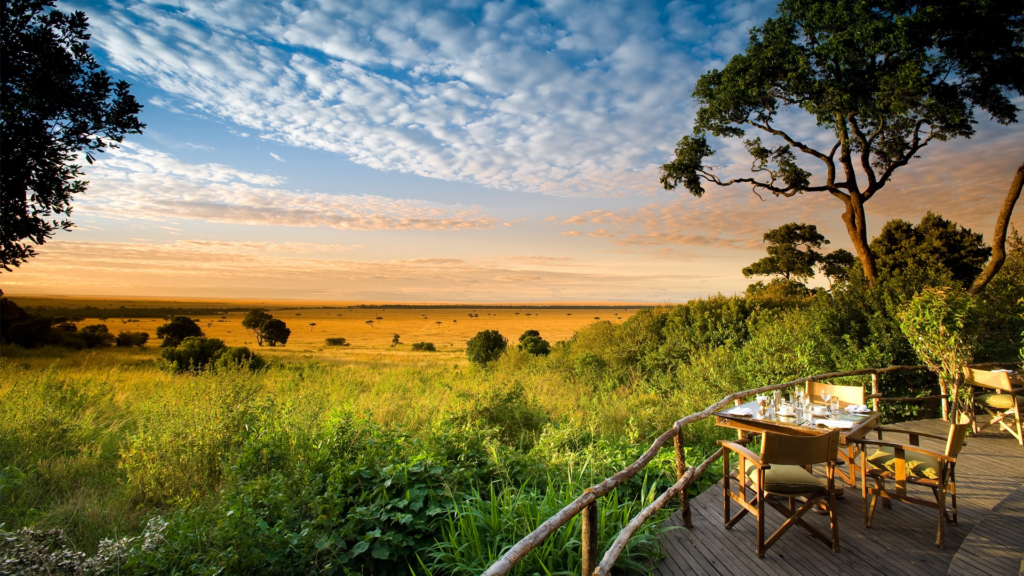
Mara Expedition Camp (Mara North Conservancy) — Three nights in a mid-range tented camp on the conservancy. This was genuinely one of the best places I’ve ever slept. The tent was large, comfortable, and had a proper bathroom; canvas walls mean you hear everything — baboons on the roof at 4am, hippos in the river, a hyena that apparently circled camp at midnight while I slept through it. The guides here were exceptional. Off-road driving is permitted in the conservancies (not in the national reserve), which means you can follow animals wherever they go.
Mara Serena Safari Lodge (two nights, Main Reserve) — A famous mid-tier lodge on a hill overlooking the Mara River. The rooms are well-appointed, the infinity pool is spectacular (you won’t use it, you’ll be on game drives, but it’s there), and the food was the best of my trip. Being inside the national reserve means early morning drives without the drive-out time. Slightly corporate atmosphere compared to the camps.
What I’d skip: One night I met people who’d stayed at a very budget camp and reported thin mattresses, indifferent food, and guides who seemed as interested in their phones as the wildlife. On a trip this expensive to reach, this is not where to save money. The guide makes or breaks a safari. They’re often employed by the camp, not independently, so the camp choice matters.
The Game Drives: What to Expect
You’ll typically do two game drives per day: a morning drive from around 6:30am (sometimes earlier), returning around 11am, then an afternoon drive from around 4pm until after sunset. Midday you rest, eat, and wonder how you can be this tired from sitting in a vehicle.
The Great Migration (July–October): If you time your visit for late July through October, you have a chance of witnessing wildebeest and zebra crossing the Mara River. I saw a crossing on day five. Nothing I can write prepares you for it. Hundreds of thousands of animals, the river boiling with crocodiles, dust and noise and chaos. It lasted about 40 minutes and left me completely silent for the rest of the drive.
The Big Five: I saw lion, leopard, elephant, buffalo, and hippopotamus. I did not see rhino — they exist in Kenya but the Mara isn’t the strongest location. Don’t go expecting rhino.
A word on crowds at crossings: The migration crossings can draw a lot of vehicles. Park regulations limit how close you can get, but in busy moments there can still be 20+ jeeps lined up waiting. Joseph navigated this better than other drivers I watched — he positioned us early, far from the crush, and we had a clear sightline. This is what a great guide does.
Food & Drink
Camp food surprised me — both camps served three meals a day and dinner was genuinely impressive: fresh produce, varied menus, excellent coffee. The Serena Lodge had a full restaurant with an à la carte menu. You will eat well.
Drink the water they provide in camp (filtered). Pack electrolytes — the heat and altitude can catch you off-guard.
Nairobi: I had one evening in Nairobi on each end and ate at Carnivore (the famous game meat restaurant — more fun than exceptional, very much a tourist experience) and at a modern Kenyan restaurant in the Karen neighborhood called Talisman, which was genuinely excellent. Nairobi has a vibrant food scene; don’t sleep through it.
Practical Costs
I’ll be direct: Kenya is not a budget trip. Here’s a realistic breakdown for a week:
- Flights (from London, return): £700–£1,000
- Internal flights (Nairobi–Mara–Nairobi): ~£250
- Accommodation (mid-range tented camps, full board): £250–£400/night
- National Reserve fees: ~$80 USD/day
- Tips (guides, camp staff — please do this): budget $15–20/day
For a week in the Mara, expect to spend £3,000–£5,000 all-in from the UK, depending on your camp choices. Budget operators exist; research carefully.
One important note on tipping: The guides and camp staff — particularly at smaller camps — work very hard for relatively modest base salaries. Tipping is genuinely important here, not an optional courtesy. My guide Joseph was one of the most knowledgeable people I’ve met; what I gave him at the end felt insufficient.
What I’d Do Differently
I’d give myself an extra day or two. Seven days felt right but the last morning drive I kept thinking “one more week.” The Mara rewards patience — the longer you’re there, the more you understand the rhythms of the place.
I’d also spend more time at a conservancy and less in the main reserve. The conservancies — Mara North, Olare Motorogi, Naboisho — charge a premium but offer off-road access, fewer vehicles, and often better guiding. The difference is palpable.
A Note on Ethical Tourism
Kenya’s safari industry has a complicated relationship with the Maasai people whose land this originally was. Some of it is exploitative; some of it is genuinely community-led. When booking, look for camps that can articulate exactly how they employ and compensate local communities — particularly Maasai guides and staff — and whether a portion of conservancy fees goes back to those communities. Ask directly. A reputable operator will have clear answers.
The Honest Summary
Kenya changed something in me. I’ve traveled widely and I’ve never experienced anything quite like sitting in the open Mara at dawn, watching the plains wake up in that extraordinary light. It requires planning, costs real money, and involves long travel. It is worth every bit of it.
Go with the right guide, stay somewhere that invests in its staff, and be prepared to come home a little undone.
Article by Just a Lion · August 2024